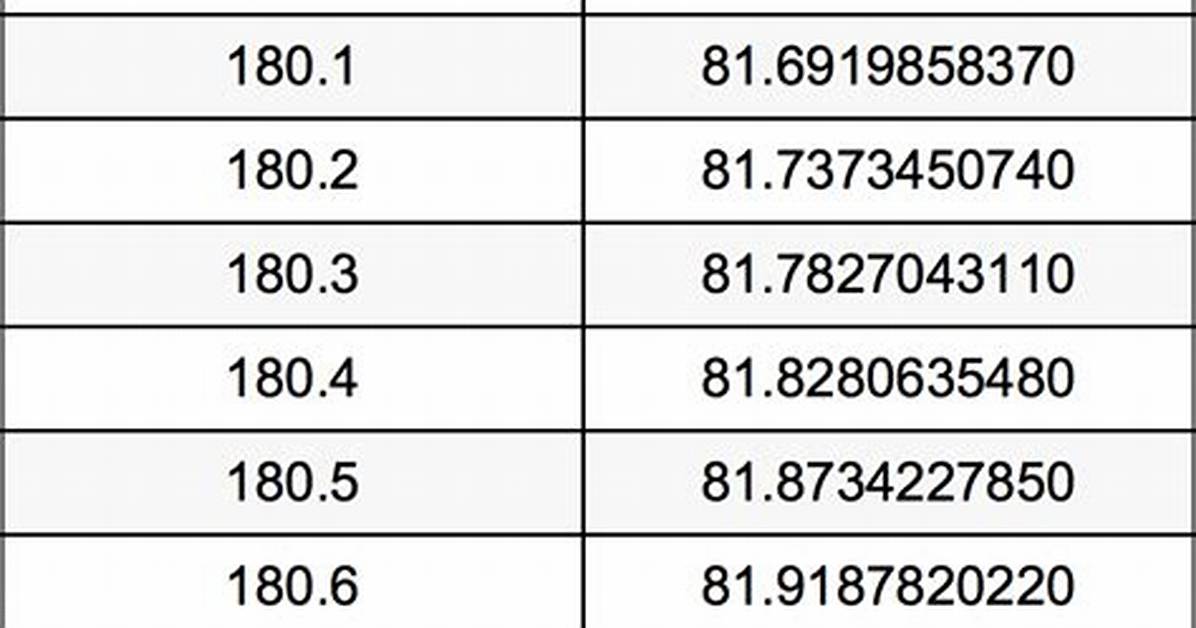
A reading of 181 pounds on a bathroom scale rarely guarantees an identical reading on an official podium scale. High-grade athletic commissions mandate Class III medical scales accurate to within 50 grams. Ambient temperature, barometric pressure, battery voltage, and uneven flooring all distort strain-gauge load cells.
When athletes travel from North America to European or Asian competitions, unit conversion errors multiply. A digital scale toggled from pounds to kilograms does not always calculate internal decimals dynamically; many commercial units simply round to the nearest half-pound before converting, creating artificial variance. To ensure an exact 82.10-kilogram reading, teams must calibrate their travel units using certified test weights rather than relying on factory presets.
Gravity itself varies by latitude. An athlete weighing 181.00 pounds in Helsinki will register approximately 0.15 pounds lighter on a spring scale near the equator due to centrifugal force and Earth's rotational bulge. Certified balance-beam scales circumvent this discrepancy, but electronic load cells require local re-zeroing upon arrival.

