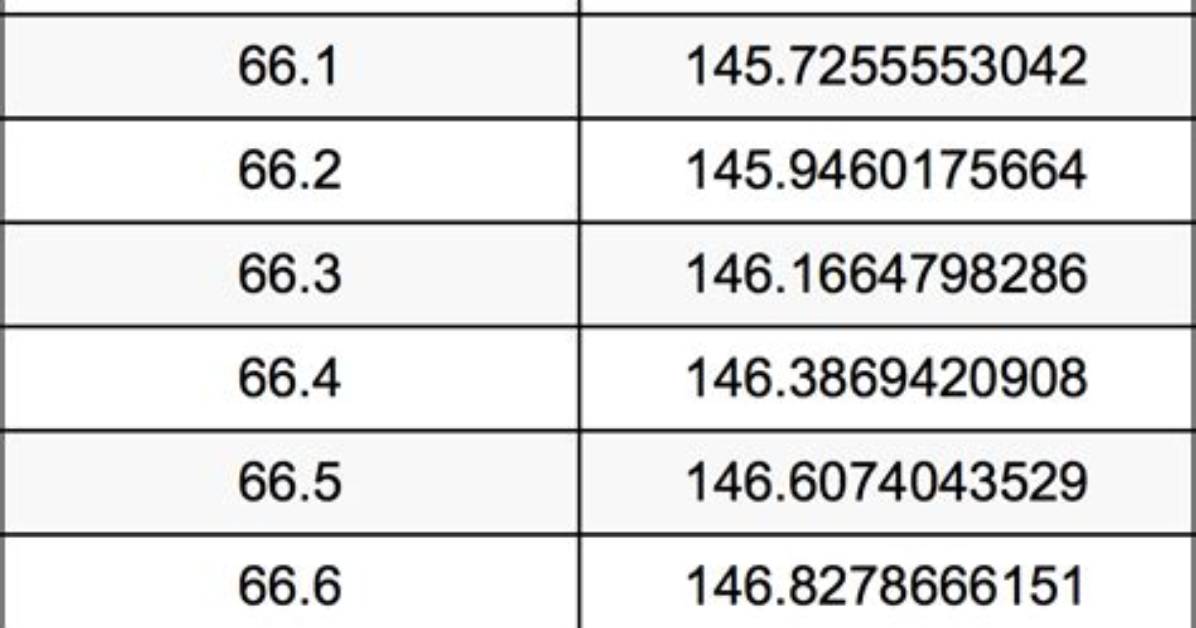
Mass classifications exist to ensure parity inside rings and cages, preventing dangerous mismatches where heavier competitors leverage skeletal leverage over lighter opponents. The 67 kg benchmark occupies an intriguing space across disciplines because it borders the historic 147-pound threshold without aligning with it identically.
In traditional professional boxing, the welterweight limit stands at an unyielding 147.00 pounds (66.678 kg). An athlete stepping onto the scale at 67 kilograms registers at 147.71 pounds, missing the welterweight championship ceiling by roughly 11.4 ounces. That competitor would instantly be forced into the junior middleweight bracket (154 pounds). Conversely, Olympic amateur sports governed by global federations rely purely on metric increments. United World Wrestling recognizes 67 kg as an official Olympic Greco-Roman wrestling class, where competitors battle without the hybrid imperial-to-metric discrepancies seen in televised professional bouts.
| Discipline & Organization | Division Name | Official Mass Limit | 67 kg Compliance Status |
|---|---|---|---|
| Professional Boxing (WBA, WBC, IBF, WBO) | Welterweight | 147.0 lbs (66.68 kg) | Overweight (+0.71 lbs) |
| Olympic Greco-Roman Wrestling (UWW) | 67 kg Division | 67.0 kg (147.71 lbs) | Exact Target Mass |
| Mixed Martial Arts (Unified MMA Rules) | Featherweight | 145.0 lbs (65.77 kg) | Overweight (+2.71 lbs) |
| Mixed Martial Arts (Unified MMA Rules) | Lightweight | 155.0 lbs (70.31 kg) | Comfortably Eligible (-7.29 lbs) |

