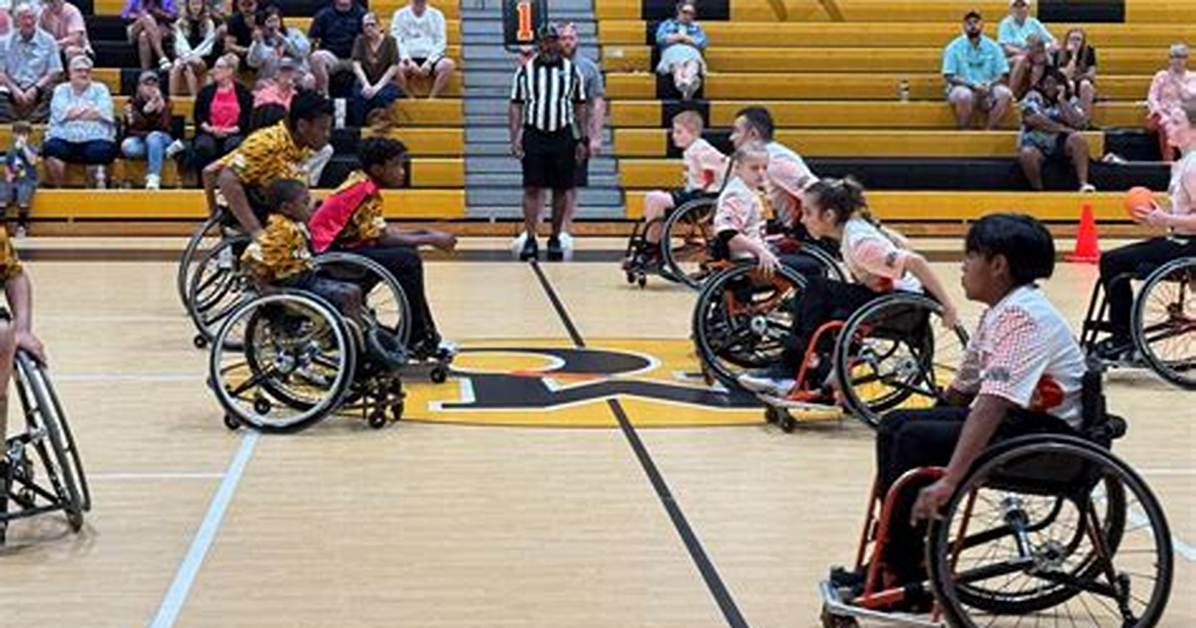
Clear protocols eliminate campus ambiguity between academic sign language and adapted prep sports while maintaining equity across both programs.
- Audit Student Information Systems (SIS): Disambiguate scheduling codes immediately. Ensure academic sign language classes are cataloged as "LANG-ASL" or "W-LANG-ASL" and adapted athletic periods appear as "ATH-ADAPT" or "PE-ADAPT." Do not allow registrar shorthands to collapse both into an unqualified "ASL."
- When building or expanding secondary sign language departments, hire native signers and certified Deaf teachers. Learning ASL vocabulary from cultural insiders protects linguistic integrity and exposes hearing teenagers to genuine Deaf community norms.
- Audit Gymnasium and Field Communication: Ensure Adapted Sports League coaching staffs receive basic visual communication training. Many adapted league participants have co-occurring hearing loss or sensory processing differences. Incorporating visual whistles, flags, and direct sightline coaching benefits everyone on the roster.
- Track State Biliteracy Seals: Connect high school ASL course sequences to the State Seal of Biliteracy. Verifying that your district awards biliteracy credentials for ASL incentivizes advanced study and legitimizes the visual language alongside spoken world languages.

