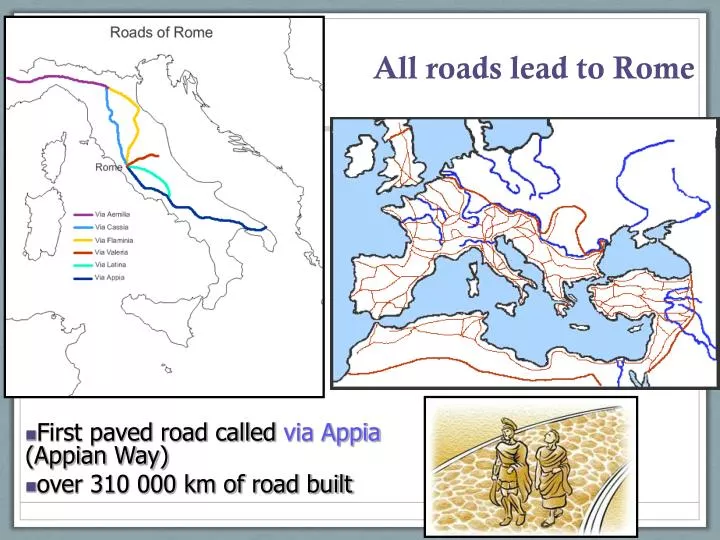
Popular culture often attributes the saying to the Roman legionaries who paved the Via Appia in 312 BCE, or to Caesar Augustus, who became Rome’s first emperor and transformed its public works. That assumption is historically false. No classical Roman general, historian, or poet ever wrote or spoke the proverb.
The phrase first appeared in print in 1175 CE, roughly seven centuries after the Western Roman Empire collapsed. French poet and theologian Alain de Lille penned the sentence in his Latin collection Liber Parabolarum:
"Mille viae ducunt homines per saecula Romam."
(A thousand roads lead men forevermore to Rome.)
De Lille did not write about municipal engineering or imperial tax collection. He wrote an allegory about Catholic penitence. During the Middle Ages, Rome represented the spiritual apex of Western Christendom and the seat of the papacy. A pilgrimage to Rome promised absolute plenary indulgence for sins. De Lille meant that any Christian, through countless acts of penance or personal stations in life, could find their way to God and papal absolution.
Two centuries later, English author Geoffrey Chaucer brought the phrase into vernacular English literature. In his 1391 technical tract Treatise on the Astrolabe, Chaucer wrote to his son: "Right as diverse pathes leden diverse folk the righte way to Rome." Over subsequent centuries, oral tradition compressed Chaucer’s observation into the punchy, universal proverb used today.

