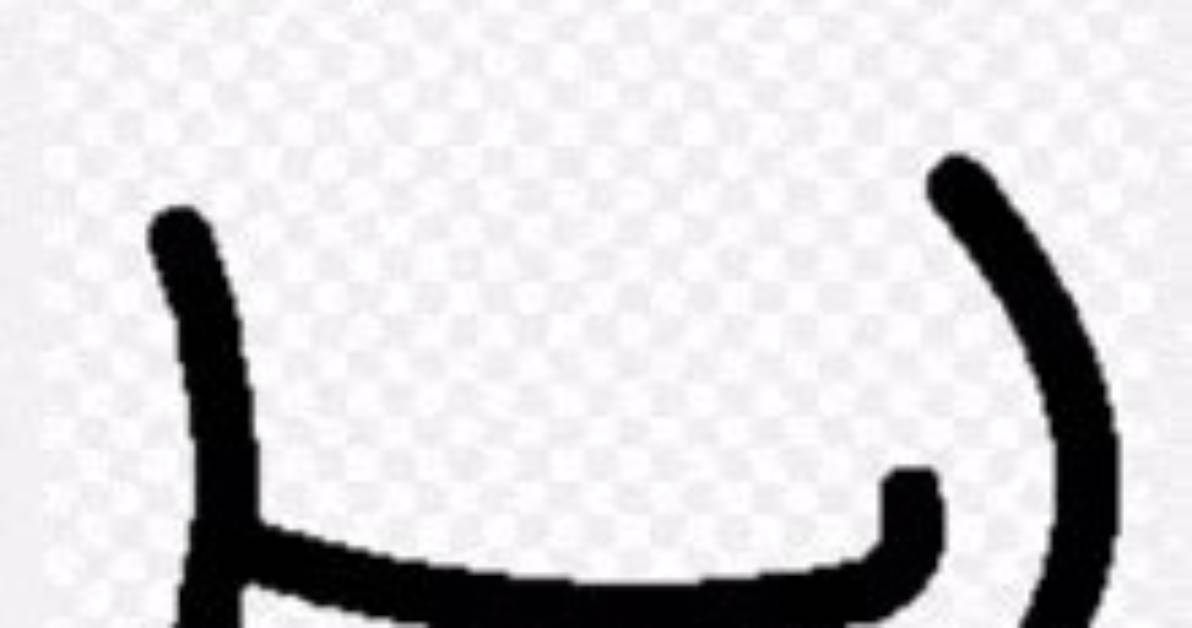
When brothers Cary and Michael Huang launched Battle for Dream Island on January 1, 2010, character motion was intentionally raw. Hand-drawn limbs and mouths created in Adobe Flash (now Adobe Animate) were dragged and dropped directly onto geometric torsos representing inanimate objects. To maintain a breakneck release schedule while managing schoolwork, the twins established a standardized asset kit: vector lines for arms, shoes for feet, and an indexed sheet of mouth phonemes.
As the series transitioned through IDFB and into 2017's Battle for BFDI (BFB), the production demands exploded. Animators needed rapid visual shortcuts for characters reacting to absurd challenges without voice actors recording dedicated lines for every background gag. The production team cataloged every blink, grimace, and swallow into reusable symbol libraries. The chewing sequence was never conceived as a standalone showpiece; it functioned as background texture for scenes where characters devoured recovery center tokens, Yoyleberries, or slices of cake during elimination ceremonies.
The movement works because of its deliberate economy. Instead of full squash-and-stretch frame animation, the classic BFDI chewing motion alternates between a standard closed grin, a distorted mouth frame with lateral jaw displacement, and a compressed chewing state where the lower half of the character's face shifts upward by several pixels. This stark, mechanical vector shift became an unintentional visual signature.

