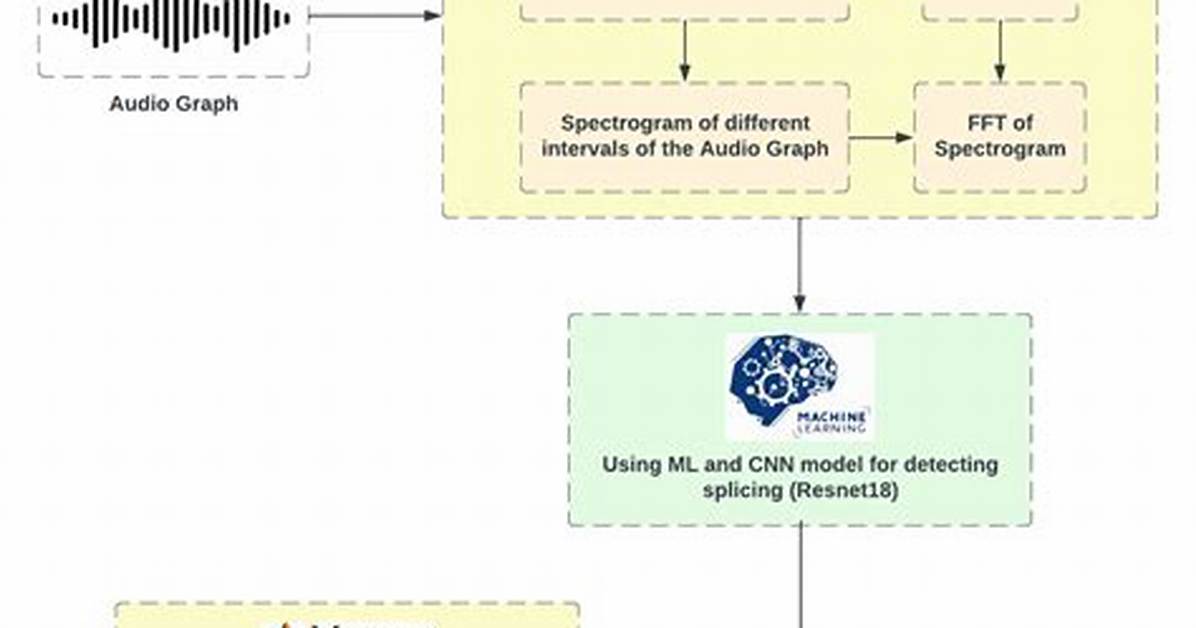
The controversy surrounding Lincoln Loud marks the transition between old-school manual soundboard editing and the modern era of generative artificial intelligence. When the original edit was crafted, the creator relied on splice points, pitch shifting, and compression. Today, machine-learning voice models trained on hundreds of hours of character dialogue can synthesize entirely new sentences in a character's exact tone without leaving traditional waveform seams.
This technical evolution presents a serious challenge for media literacy. Where forensic editors once searched for room-tone dropouts or unnatural phoneme breaks, modern synthetic media creates coherent vocal acoustics from scratch. If an old, clumsy manual edit was capable of misleading millions into believing a major cable network committed brand suicide on afternoon television, modern synthetic speech poses an even higher risk of manufactured scandals.
Digital literacy now demands that audiences question short-form video provenance by default. A provocative audio clip severed from its full-length broadcast context is almost never an unvarnished truth. It is usually an artifact of algorithmic bait designed to convert shock into algorithmic reach.

