Blended families are common today, but in the early 1970s, putting one in prime time was pioneering. Before The Brady Bunch, television families were almost uniformly nuclear units like The Donna Reed Show and Father Knows Best. Even shows featuring single parents, such as The Courtship of Eddie's Father or My Three Sons, kept family lines neatly separated. Schwartz intentionally merged two halves to generate light domestic conflict.
The show's writing purposely downplayed the children's legal status. Mike formally adopted Carol's daughters in early script drafts, though the plot point never became a primary on-screen storyline. The six children never used the term "step-brother" or "step-sister" in conversation. They simply called each other brothers and sisters. That deliberate choice strengthened the warm tone Schwartz wanted, but it inadvertently blurred the reality for generations of syndication viewers.
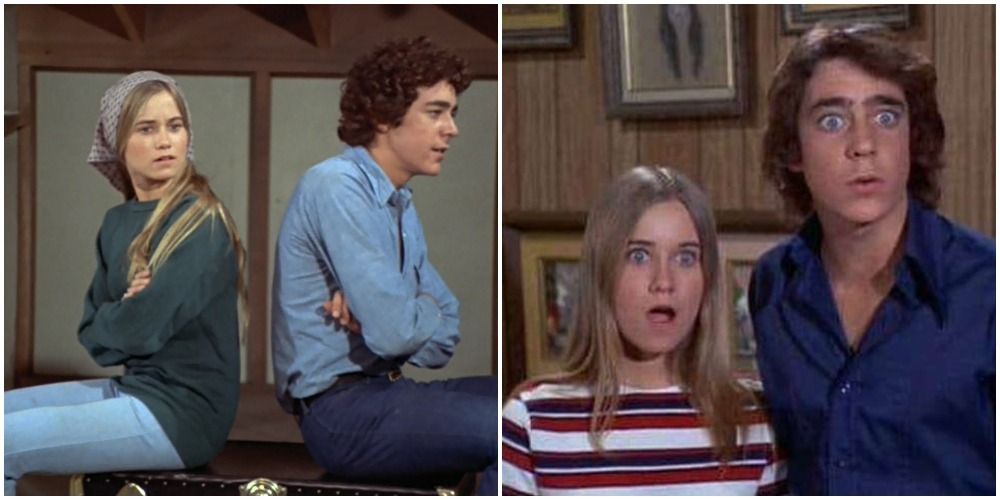
When fans watch Barry Williams lean in close to Maureen McCormick during musical numbers like "Keep On" or "Sunshine Day," the visible chemistry sparks internet debates. Millions of viewers sense a palpable spark that feels completely out of place for biological siblings. The instinct is correct. What viewers are watching is not brotherly affection; it is the unfiltered attraction of two teenagers who were privately falling for each other while reading dialogue written for step-siblings.

