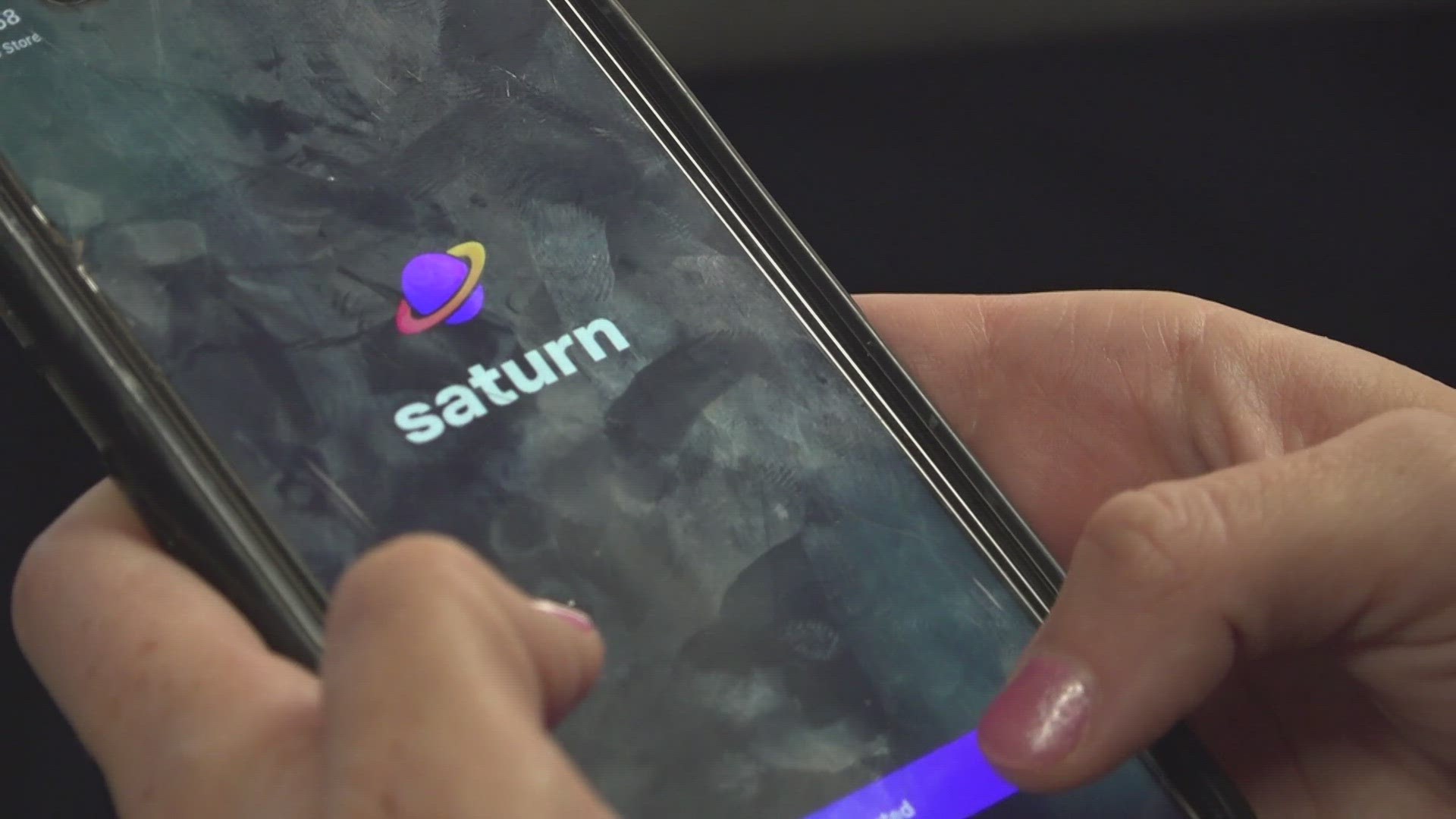
Saturn functions as an organizing hub for high school life. Students sync their daily bell schedules, track passing periods, cross-reference calendar events with classmates, and send direct messages across shared classes. Because the software indexes hyper-specific local routines, down to which classroom a 14-year-old sits in during fourth period, the barrier to entry must be exceptionally rigid. When a student attempts to set up an account on an iPad without cellular data or an Android device relying on home Wi-Fi, the prompt stops them cold.
The screen sequence leaves zero ambiguity. After selecting a high school from the app directory, the user faces a mandatory field: mobile phone number. If the user attempts to feed the field a throwaway digits sequence generated by a virtual phone app, the system returns an immediate validation error. This friction frustrates teenagers without active cellular plans. Yet company leadership and school safety advisors view that exact friction as the platform's most vital defense perimeter.
The architecture relies on carrier-level metadata. When an SMS request fires, Saturn routes the digits through an identity verification API such as Twilio, Telesign, or an equivalent telecom data broker. These APIs ping the North American Numbering Plan registry and carrier databases in real time, inspecting the line type attribute attached to the digits.

