Step outside standard produce bins and the savory side of the Z-catalog presents centuries of regional craft. In Switzerland, weekend mornings center on zopf bread, an enriched dough instantly recognizable by its tight, glossy plait. Swiss bakers blend flour, milk, butter, and yeast, brushing the surface with egg wash before baking to create a golden crust with a feathery, cloud-like crumb. Tradition dictates slicing it thick on Sunday mornings alongside local alpine cheeses and salted butter.
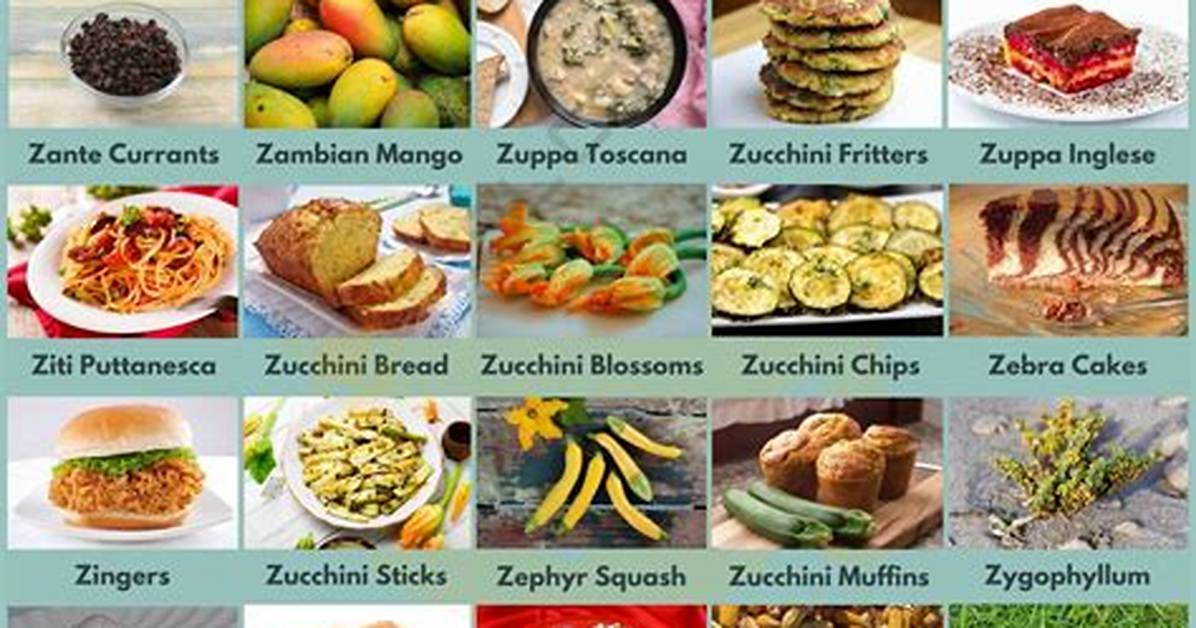
Travel south through Italy and the carb inventory shifts to ziti pasta. These slender, smooth-walled tubular cuts form the backbone of southern Italian feast cooking, particularly baked ziti layered with rich tomato sugo, spiced sausage, ricotta, and melted mozzarella. The smooth surface allows the pasta to absorb sauce differently than ridged rigatoni, baking into a unified casserole where outer edges turn crisp while interior tubes stay tender.
For protein, European river communities historically relied on zander fish (Sander lucioperca). Closely related to the American walleye, this prized freshwater predator populates lakes and slow-moving rivers from Western Europe through the Baltic basin. Culinary professionals prize zander for its clean, flaky white flesh and low fat content. When pan-seared skin-on with a splash of butter and lemon, it delivers a tender texture without the muddy undertones that sometimes plague freshwater catch.

