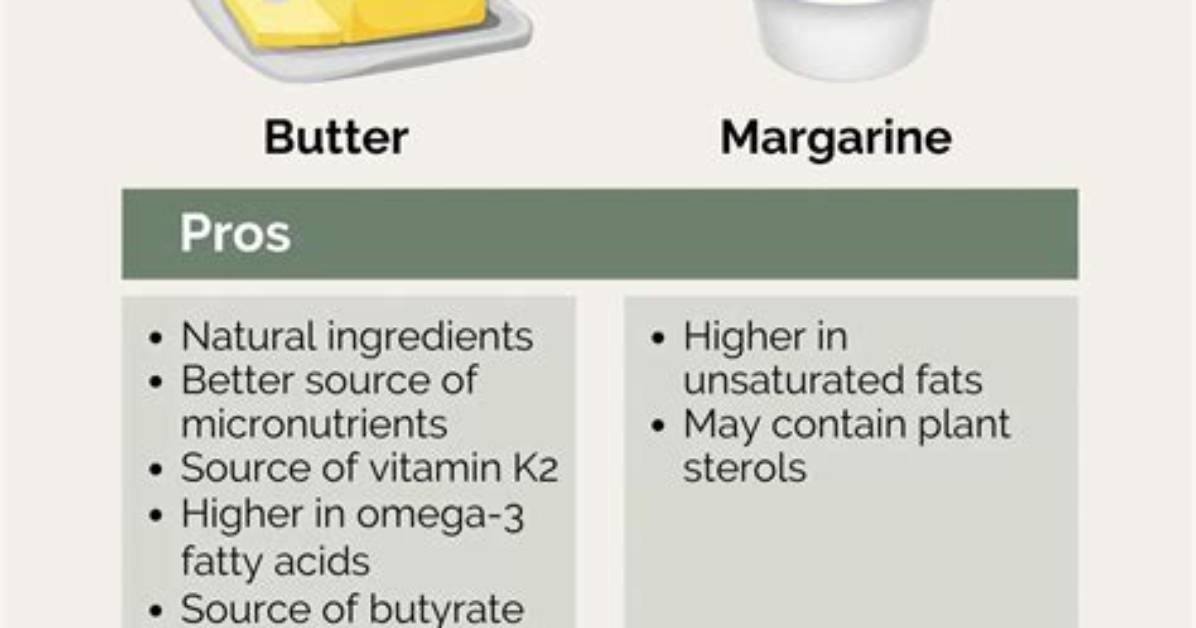
The modern table fat market operates under strict regulatory definitions that marketing campaigns often attempt to soften. In the United States, the Food and Drug Administration enforces a statutory standard: any product labeled "butter" must contain an absolute minimum of 80% milk fat. European standards demand 82% milk fat for unsalted variations, reserving the remaining space for 16% water and 2% milk solids.
Margarine arose during the late nineteenth century as an inexpensive alternative formulated from animal tallow, later shifting almost exclusively to refined vegetable oils. While butter crystallizes through dairy triglycerides, margarine relies on refined vegetable fats, primarily palm, soybean, and canola oils, emulsified with water, synthetic beta-carotene for color, and chemical stabilizers.
| Product Category | Primary Fat Source | Typical Fat / Water Ratio | Dominant Emulsifier | Melting Profile |
|---|---|---|---|---|
| Traditional Sweet Cream Butter | Bovine Milk Fat | 80, 82% Fat / 16, 17% Water | Native Milk Phospholipids | Sharp transition: 90°F, 95°F |
| Standard Margarine | Soybean, Palm, or Canola Oil | 80% Fat / 17, 18% Water | Soy Lecithin, Mono- and Diglycerides | Gradual slope: 95°F, 105°F |
| Commercial "Plant Butter" | Palm Oil, Olive Oil, Avocado Oil Blend | 50, 79% Fat / 20, 48% Water | Sunflower Lecithin, Pea Protein | Variable: Soft at room temp |
| Cultured European Butter | Fermented Bovine Cream | 82, 84% Fat / 14, 15% Water | Native Phospholipids + Lactic Matrix | Clean melt: 88°F, 93°F |
Federal guidelines historically demanded an 80% fat minimum for products bearing the name margarine. Today's commercial spreads often slip below this threshold to reduce calories or manufacturing costs, selling under ambiguous designations such as "vegetable oil spread."

