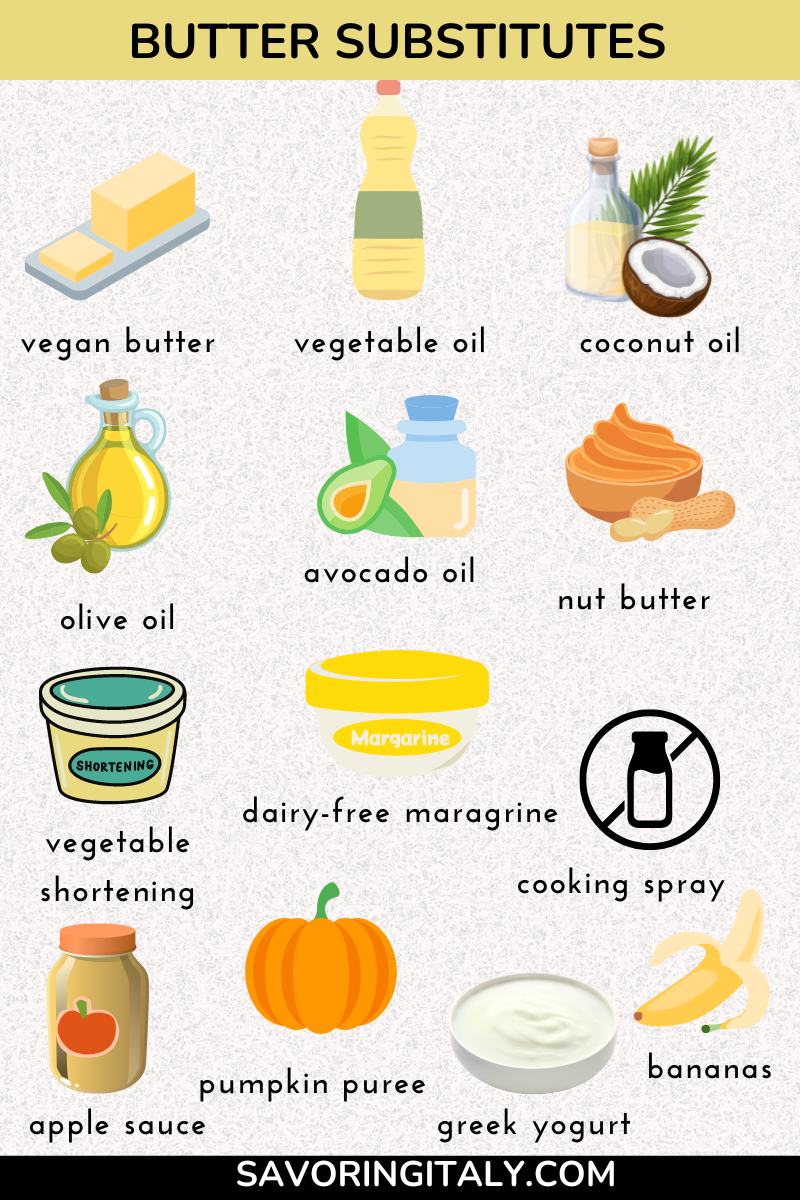
Replacing butter with liquid oils requires fine-tuning the surrounding recipe variables. Because butter contributes 16% to 18% water, switching to pure oil removes a meaningful amount of liquid from your dough. When baking quick breads with oil, you rarely miss this moisture because the oil coats the flour proteins so thoroughly.
In stiffer formulations like pie crusts or scones, removing butter's native water prevents proper dough cohesion. Add back 1 tablespoon of cold water per stick of butter replaced to ensure proper hydration.
Sugar handling also demands attention. In standard butter recipes, creamed sugar remains partially suspended within solid fat matrixes. When mixed directly into liquid oil, sugar dissolves much faster, which encourages surface caramelization and faster browning.
Reduce your oven temperature by 15°F to 25°F (about 10°C) when converting a cake from butter to liquid oil. This lower, steady heat allows the center of the cake to rise fully before the edges over-caramelize or turn crisp.

