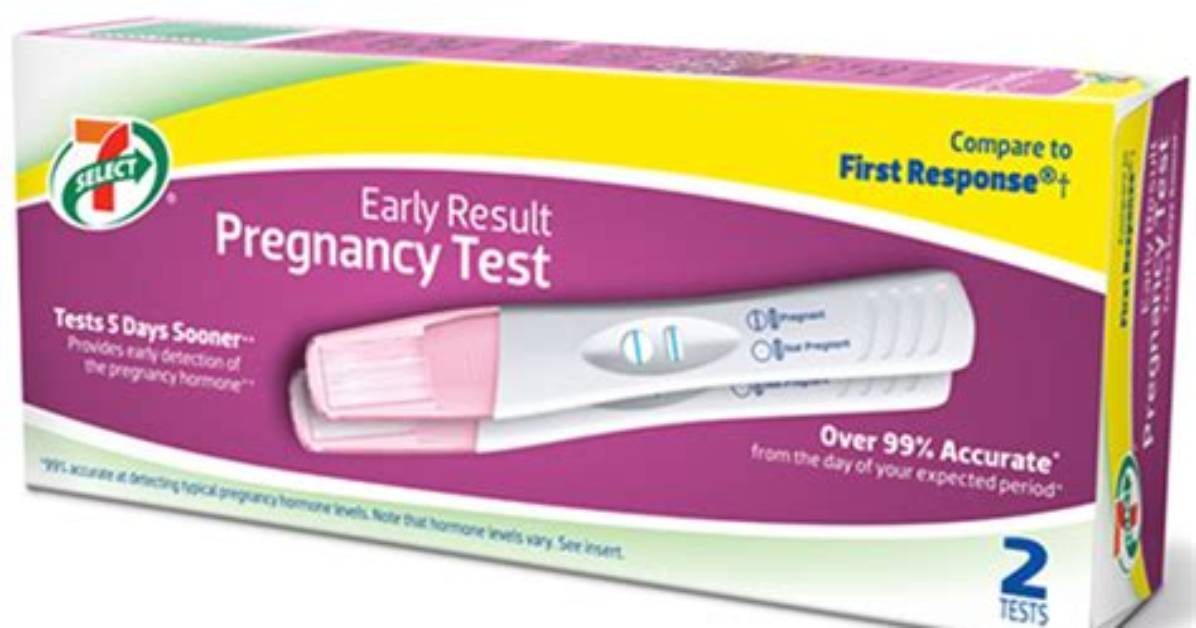
A common worry among late-night shoppers is whether a diagnostic kit bought off a convenience store pegboard works as reliably as one sourced from a dedicated medical supply or pharmacy counter. Chemically, they are identical. Every over-the-counter pregnancy test sold in US convenience stores functions through hCG hormone detection, identifying human chorionic gonadotropin in human urine.
When an embryo implants in the uterine wall, the placenta begins producing hCG, roughly doubling in concentration every 48 to 72 hours during early gestation. Home tests rely on antibodies embedded in the absorbent testing strip that bind to hCG molecules, triggering an enzymatic color change or an electronic sensor reading in a digital pregnancy test.
| Test Format | Sensitivity Threshold | Optimal Testing Window | Average Convenience Store Cost |
|---|---|---|---|
| Early Result Analog (e.g., First Response) | 10, 12.5 mIU/mL | 4, 6 days before expected period | $14, $19 |
| Standard Rapid Analog (e.g., Clearblue) | 25 mIU/mL | Day of missed period onward | $12, $17 |
| Digital Readout (Words: "Pregnant" / "Not") | 25, 50 mIU/mL | 1, 2 days after missed period | $18, $24 |
Federal manufacturing standards enforce test accuracy rates at or above 99% when used on or after the first day of an expected menstrual cycle. The critical factor is not where you purchase the box, but how you conduct the assay:
- Collect urine during your first morning urination, when hCG levels are at their highest physiological concentration.
- Avoid drinking excessive fluids prior to taking the test, as overhydration can dilute urine and push hCG levels below the test strip's detection threshold.
- Always check the expiration date stamped on the cardboard flap, as convenience store shelves with slower inventory turnover may occasionally harbor expired reactive strips.

