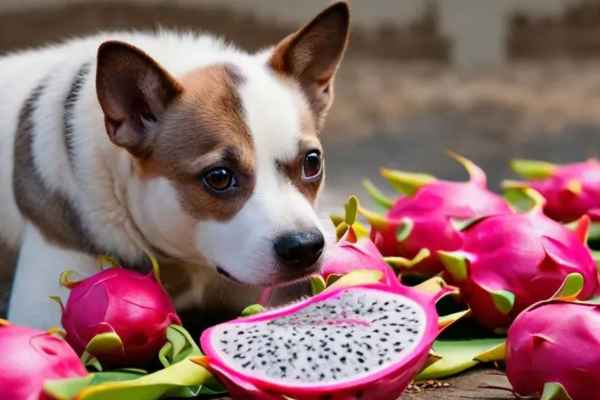
Dragon fruit belongs to the cactus family Cactaceae. The pulp consists primarily of water, roughly 87% by volume, making it an effective hydrating agent during hot summer months. Alongside hydration, pitaya provides calcium, iron, and a dose of vitamin C antioxidants. Dogs synthesize their own vitamin C within the liver, meaning dietary supplementation is rarely an urgent medical need. Still, exogenous antioxidants can help blunt oxidative stress in aging or highly active working canines.
The primary operational benefit of pitaya rests on canine digestive health. The fruit contains soluble fiber, which supports gut microbiota and can gently regulate bowel movements when offered in tiny increments. Yet this dietary fiber content cuts both ways. The digestive tract of a facultative carnivore is significantly shorter than that of an omnivorous human. A canine colon processes soluble fiber rapidly, and excess amounts routinely draw surplus water into the lumen, causing sudden loose stools.
Natural sugar levels in pitaya remain relatively modest compared to bananas or mangos, averaging around 8 grams of sugar per 100 grams of fruit. Even so, canine metabolism is not built to navigate rapid carbohydrate spikes. Habitual feeding of sweet produce alters gut flora, contributes to dental decay, and accelerates weight gain.

