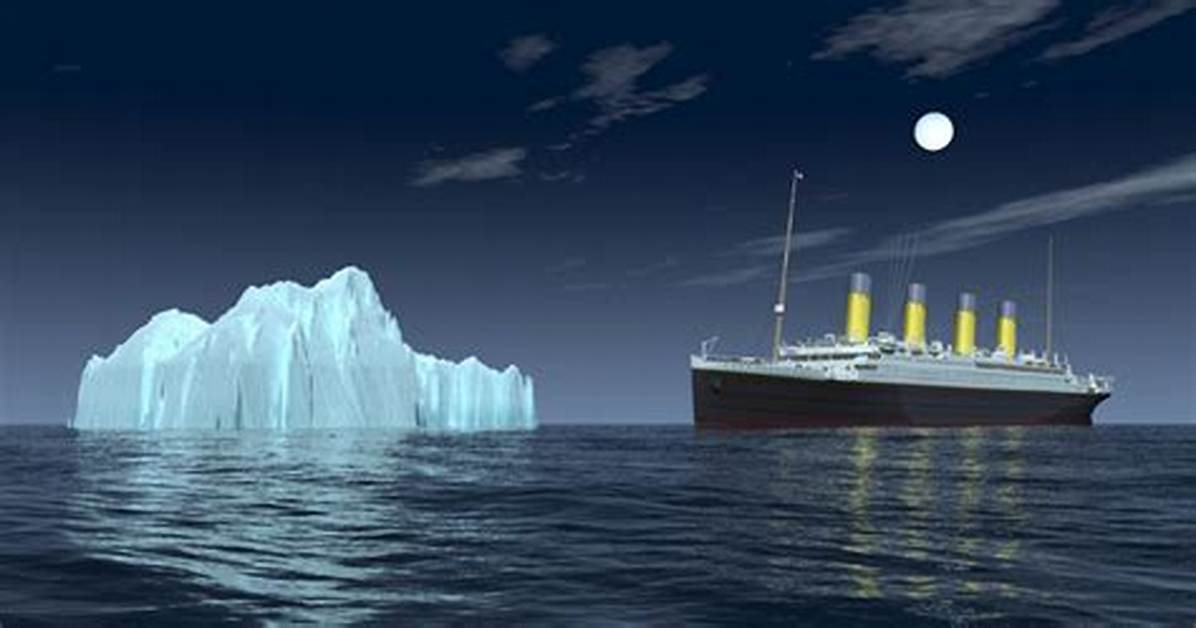
Popular culture portrays J. Bruce Ismay as an overbearing corporate villain pressuring Smith to shatter speed records for publicity. The historical record assembled by the United States Senate inquiry led by William Alden Smith paints a distinct, quieter reality.
Titanic lacked the engine specifications to capture the Blue Riband, an honor held firmly by Cunard’s Mauretania and Lusitania. White Star designed the Olympic-class liners for luxury and volume, not record-breaking speed. However, arriving early in New York on Tuesday evening rather than Wednesday morning offered immense public relations value.
Ismay retained status as an ordinary passenger aboard the ship, holding no formal authority over maritime operations. Sworn testimonies confirmed that Smith retained total, unquestioned command of the vessel. If corporate expectations influenced Smith’s decision to maintain speed through hazardous water, that choice remained Smith's prerogative under British maritime law. He possessed absolute authority to reduce speed or stop entirely, as Captain Stanley Lord chose to do aboard the Californian that exact evening.

