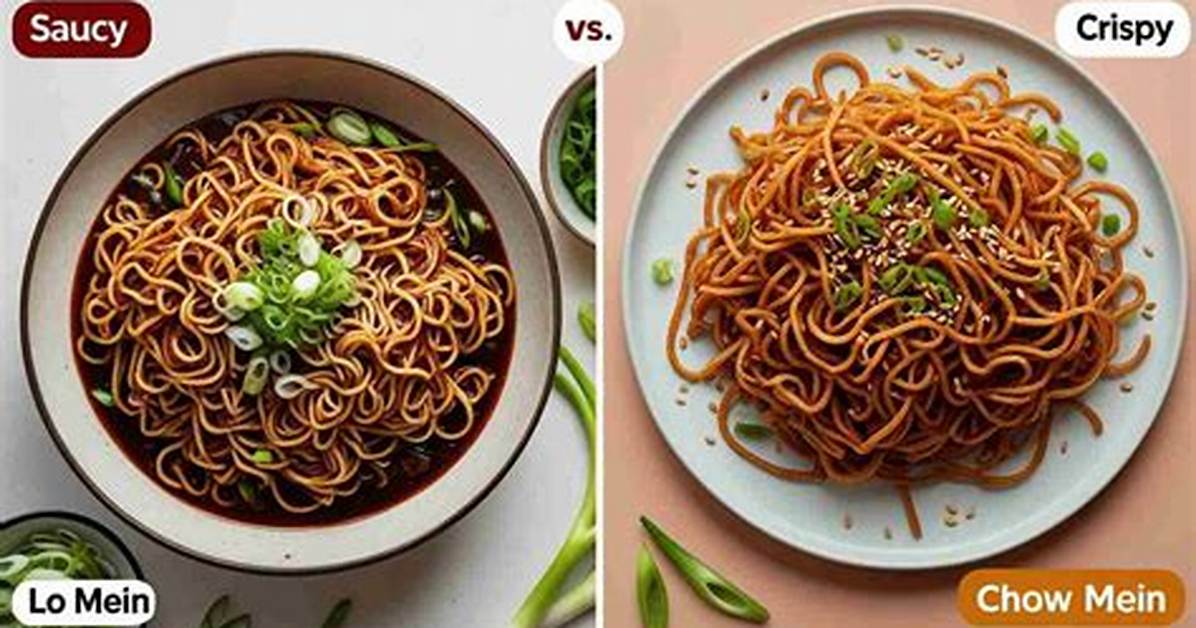
The linguistic root of the confusion is straightforward. In Cantonese, chao mian means fried noodles, while lou mian means stirred or tossed noodles. The early wave of Chinese immigration to the United States during the California Gold Rush and the construction of the transcontinental railroad brought Toisanese and Cantonese culinary foundations to North America. Cooks modified traditional recipes to suit available local ingredients and Western palates, birthing Chinese-American cuisine.
During the mid-twentieth century, regional variations diverged sharply. On the East Coast, particularly across New York and New England, takeout restaurants developed a version of chow mein consisting almost entirely of stewed celery, onions, and bean sprouts thickened with cornstarch. The noodles were omitted from the wok entirely. Instead, restaurants packed a bag of pre-fried, factory-made flour crackers to scatter across the vegetables right before eating.
Western states and authentic Cantonese dining hubs adhered much closer to Southern Chinese tradition. There, chow mein retained its structural core: fresh, thin wheat noodles tossed across searing metal until blistered. When diners travel between regions, their expectations collide. A patron expecting Cantonese noodles seared to a golden finish is often stunned to receive a carton of pale vegetable gravy, while an East Coast native opening a West Coast container wonders where the crispy flat chips went.

