At Roland Garros, umpires are not just scorekeepers; they are actors in an international sports spectacle. Umpire announcements follow strict, formal protocols governed by the French Tennis Federation (FFT) and the International Tennis Federation (ITF). These professional announcements showcase French numeral phonetics under extreme real-world scrutiny.
Official officiating protocols require umpires to declare games using clear phrasing:
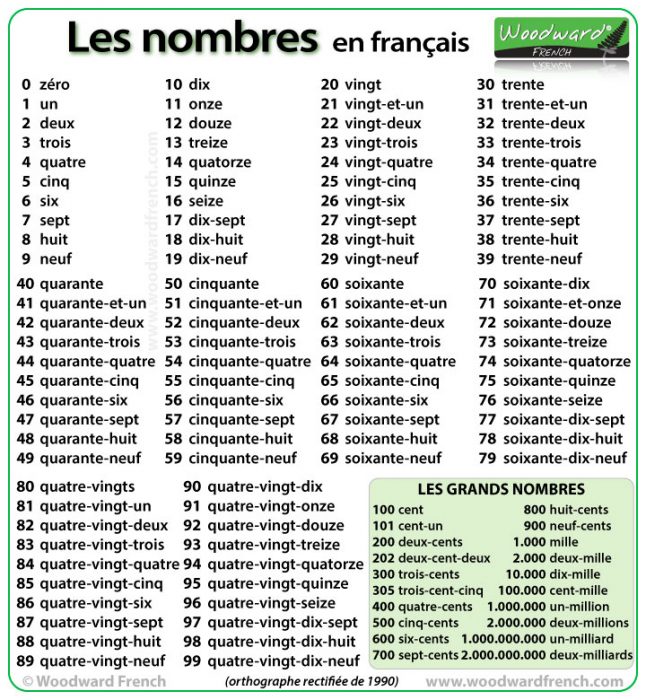
- "Jeu premier set, Nadal, sept jeux à six": (First set, Nadal, seven games to six). Notice that because sept precedes the noun jeux, the terminal 't' remains audible: /sɛt ʒø/. When six arrives at the absolute end of the sentence, the umpire hits the terminal 's' hard: /sis/.
- "Égalité, six jeux partout": (Deuce, six games all). In this phrasing, six sits directly in front of the consonant-led noun jeux. The umpire drops the final consonant sound entirely: /si ʒø paʁ-tu/. The word sounds identical to the English verb "see."
- "Sept, six": (Tiebreak score). Point-by-point calls during a tiebreak require clear, unlinked delivery. Umpires say /sɛt/ followed by a deliberate breath, then /sis/. They never blend the two scores into a continuous word.
Disputes often erupt over calls from the chair. During recent French Open tournaments, controversies over officiating consistency sparked intense debate among players and fans. The sport relies heavily on the authority of the chair, and clear, standardized score announcements are vital for keeping international players aligned during high-stakes pressure points.

