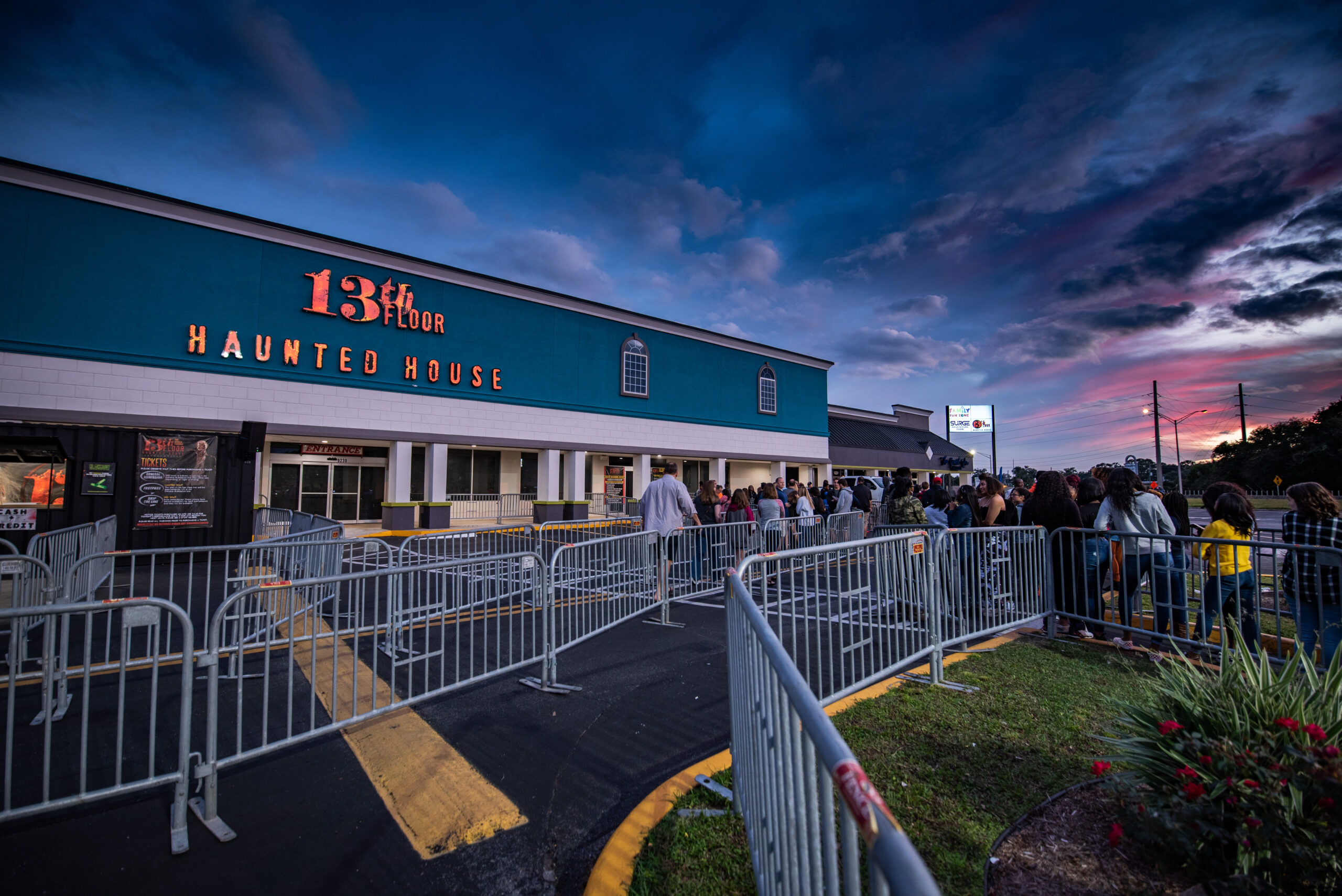
Every September, TikTok and Reddit threads light up with assertions that the 13th Floor attractions demand visitors sign away their legal rights. Commentators frequently confuse commercial haunted houses with extreme niche endurance simulations like McKamey Manor, where attendees submit to physical rough-housing, psychological trauma, and hours of confinement.
The legal reality at commercial walk-through attractions is conventional. When patrons complete haunted house ticket reservations online, the standard digital release mirrors waivers used by municipal trampoline parks, ski resorts, and go-kart facilities. The clauses cover slip-and-fall incidents, disorientation from strobe lights, low ambient visibility, and fog-fluid reactions. No commercial venue invites patrons to sign contracts permitting physical assault, because such waivers are legally unenforceable under American tort law.
Actor contact policies follow strict corporate guidelines. The scare actors and special effects crews operate under a zero-touch mandate. While monsters may lunge within inches of an attendee's face or drop down from ceiling rigs, company policy forbids deliberate physical contact with guests. The inverse applies as well: security teams eject visitors who touch, strike, or verbally harass performers. The sensory terror depends entirely on spatial misdirection, proximity illusions, and synchronized audio bursts, not bodily contact.

