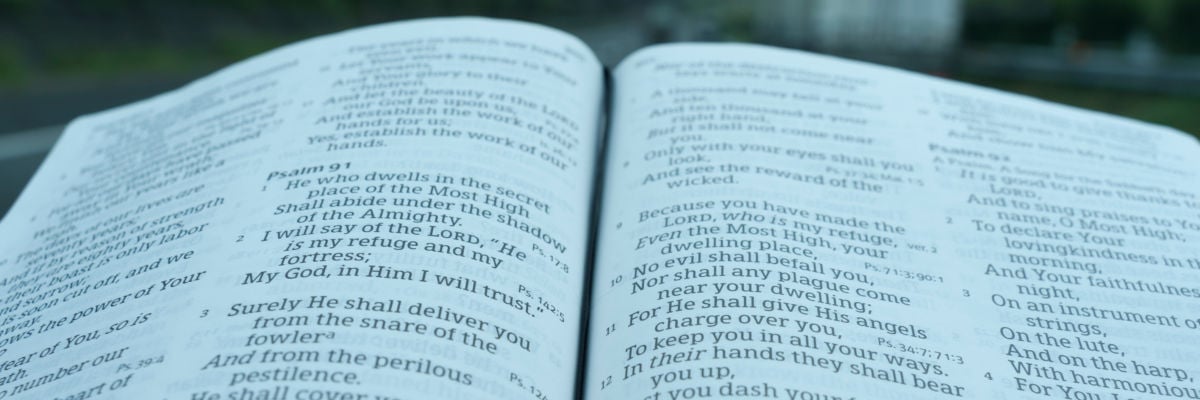
The survival of the King James rendering of Psalm 91 is neither a linguistic accident nor mere stubborn traditionalism. Modern translations excel at academic precision, but they frequently underestimate the human nervous system's appetite for formal, authoritative cadence during periods of severe disorientation.
When confronting mortality, catastrophic illness, or moral exhaustion, people rarely seek casual prose. They turn toward language that feels as old and weathered as the suffering they are trying to survive. The Jacobean text, with its fowlers, feathers, and pestilence, preserves the alien strangeness of the ancient Near East while anchoring it in the ringing stone acoustics of the English Renaissance. It remains an enduring linguistic sanctuary, offering modern readers an uncompromising vocabulary of refuge when the ground beneath them begins to give way.

