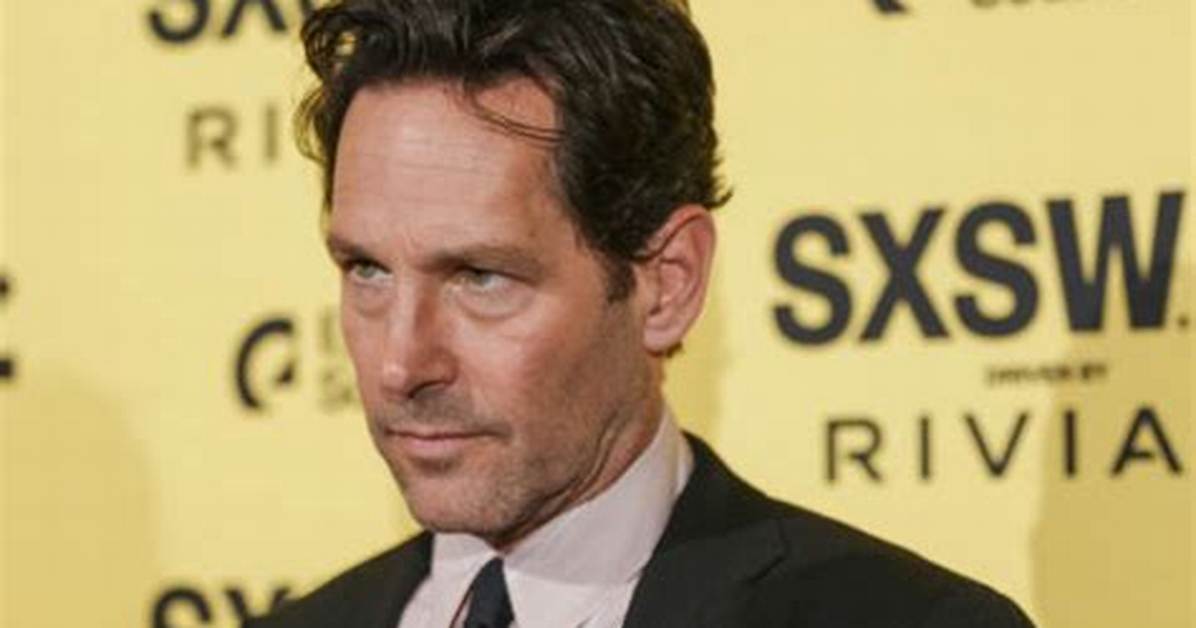
Celebrity medical hoaxes are not accidental misunderstandings. They are business models. Video recommendation engines on platforms like TikTok and YouTube distribute content based on instant retention and comment volume. When a post claims an A-list actor is fighting for their life, human psychology guarantees high engagement: users linger on the video to see what happened, tag their friends, and write emotional responses.
The automated systems interpret this influx of frantic activity as high-value content, immediately pushing the video to wider audiences. Content farms build entire networks using this exact playbook, cycling through different Hollywood stars every few weeks. In 2023, Rudd's close friend Jeremy Renner survived a well-documented, life-threatening snowplow accident. Rudd famously sent Renner a faux-Cameo video offering lighthearted cheer during his real recovery, highlighting the stark difference between genuine Hollywood crises and hollow digital deception.
Real emergencies generate transparent official statements from publicists, verified family members, and accredited trade publications like Variety or The Hollywood Reporter. Hoaxes rely exclusively on anonymous TikTok handles, synthesized narration, and recycled stock clips.

