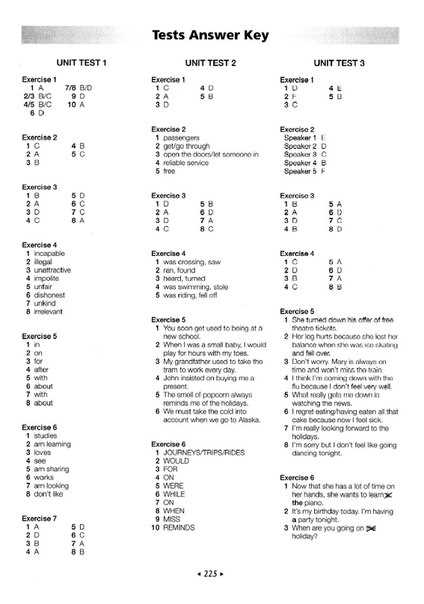
The core promise of these portals contradicts how modern assessment engines function. Renaissance Learning long ago abandoned static, 10-question linear tests. Current platform builds pull questions dynamically from larger, proprietary item banks designed specifically to prevent memorization and unauthorized reproduction.
When two students take a test on the same novel simultaneously, they encounter different question sequences, varied answer choices, and alternate distractors. Even the correct options cycle randomly through different positions. A static document listing answers as letters (such as "1-A, 2-C, 3-D") fails immediately because those designations do not correlate to a persistent key.
[System Question Pool: 30, 50 Curated Items]
│
├──> Student A: Pulls Items 3, 11, 14, 22, 29 (Option Shuffle: C, A, D, B)
│
└──> Student B: Pulls Items 1, 11, 18, 25, 30 (Option Shuffle: A, B, C, D)
Districts enforce strict academic integrity policies backed by platform telemetry. Software logs measure how long a student takes to answer each question. If a pupil clicks through a 20-question test in under 90 seconds while registering a perfect score, automated anti-cheat flags notify administrators of anomalous speed benchmarks, triggering manual review regardless of the score achieved.

