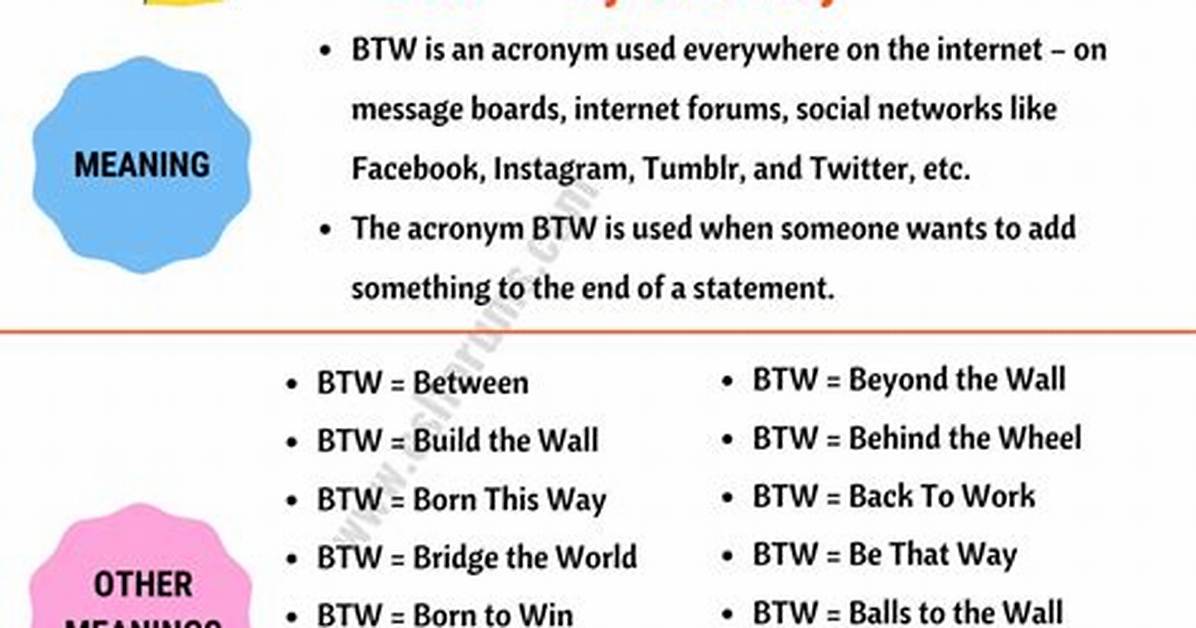
Every few years, a recycled infographic sweeps Facebook groups, neighborhood apps, and school district listservs. These lists string together dozens of SMS lingo abbreviations, warning parents that standard phrases secretly flag drug sales, sexting, or predatory rendezvous.
Because text culture evolves rapidly, adults naturally feel disoriented when scanning a teenager's notifications. Seeing rapid-fire clusters of letters like TBH, NGL, and BTW creates an illusion of deliberate encryption. When fear fills that information gap, parents begin suspecting that standard abbreviations represent covert distress signals.
This cycle is not new. Early cell phone culture in the early 2000s saw similar panics over numeric pagers and T9 keystroke shortcuts. The difference now lies in volume: teenagers send hundreds of messages daily across decentralized platforms, making any unfamiliar letter string look like a cipher.

