Riley’s early life in Minnesota ran on five primary drives, led by Amy Poehler’s relentlessly upbeat Joy. Shaped like a starburst, Joy operates as Headquarters' self-appointed team leader. For nearly a decade, she treated sadness as a design flaw, running circles around the room to keep Riley's core memories sunny yellow. Poehler balances manic optimism with vulnerability, capturing the existential dread of a parent watching a child outgrow simple happiness.
Phyllis Smith brought remarkable depth to Sadness, a teardrop-shaped blue entity whose slumped posture and slow cadence conceal vital emotional intelligence. While Joy attempts to box her out, the narrative hinges on Sadness's unique superpower: fostering empathy. Sadness signals distress, drawing connection from community and parents when positive thinking fails.
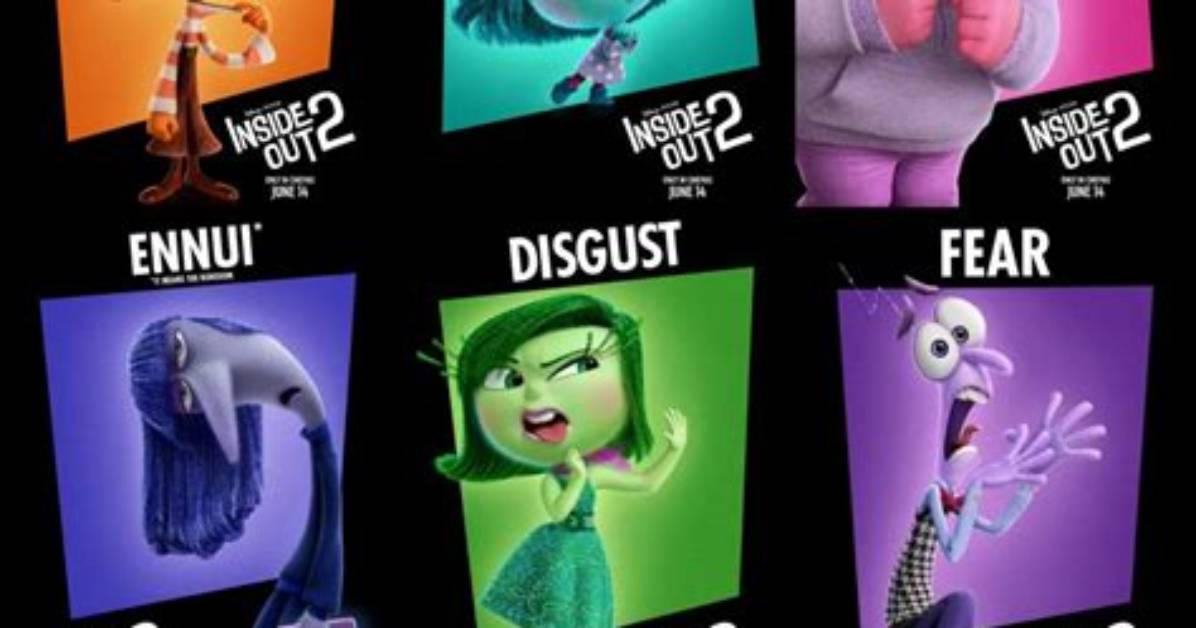
The remaining trio protects Riley from external friction and bodily harm. Lewis Black lends his trademark explosive delivery to Anger, a fiery red brick who demands basic fairness and hockey-rink grit. Bill Hader originally voiced Fear, the nervous, purple watchdog monitoring physical risk; Tony Hale seamlessly assumed the role for the sequel. Disgust, an emerald-green tastemaker initially voiced by Mindy Kaling and later inherited by Liza Lapira, shields Riley from physical poisoning (like broccoli) and social humiliation. Together, these five establish Riley's foundational personality islands, from Family Island to Hockey Island.

