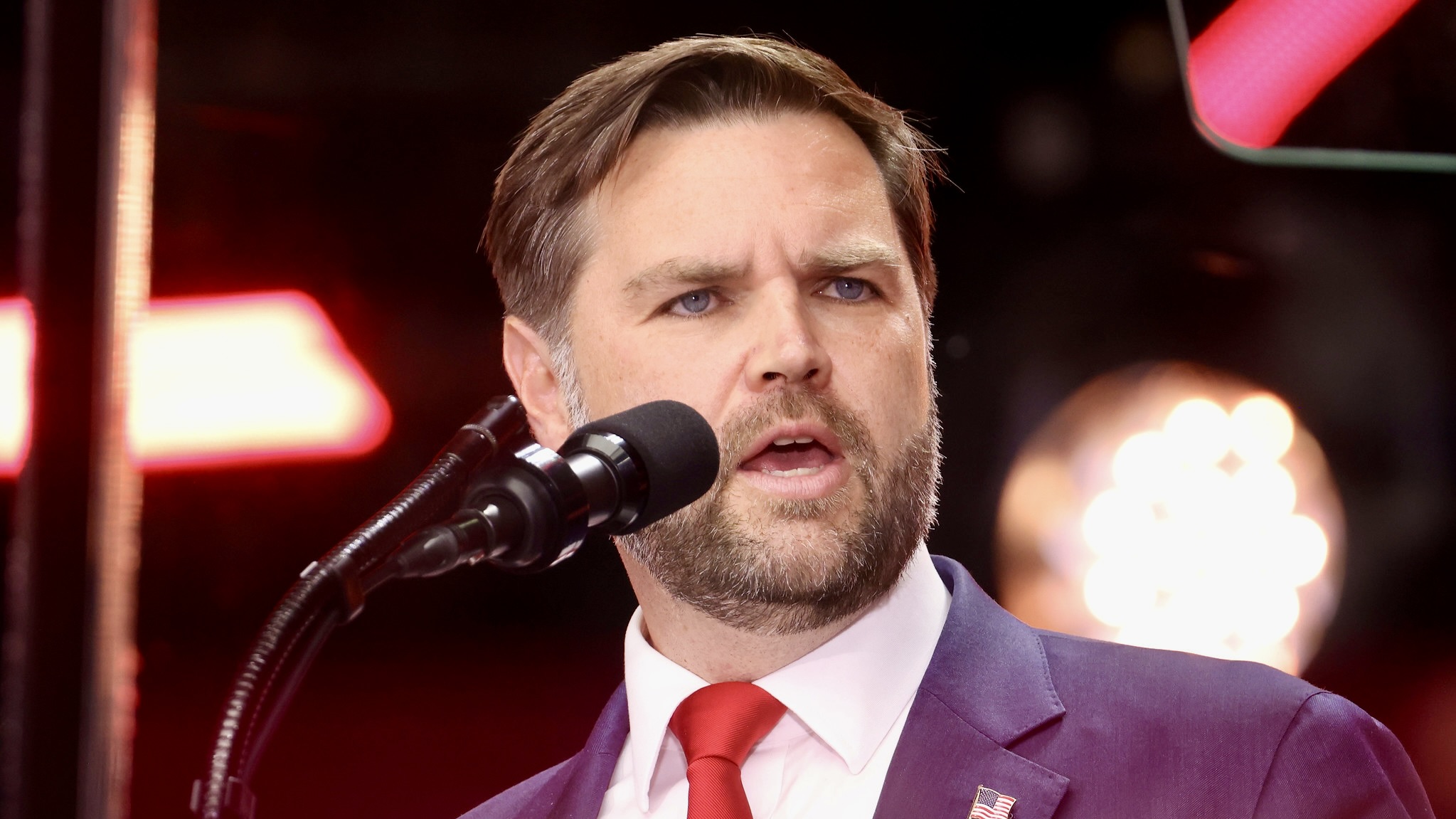
The release of Communion opened a fierce debate across the American press. Major media outlets split dramatically over whether Vance’s prose represented genuine spiritual reflection or a calculated ideological manifesto for post-liberal conservatism. While conservative outlets embraced the memoir as an honest defense of Christian public life, national publications questioned the emotional and political motives running through the pages.
On June 18, 2026, Vox argued that the memoir exposed Vance’s deep-seated resentments against secular institutions. The following day, The New Yorker characterized the volume as a contemptuous conversion account, asserting that Vance weaponized religious tradition to settle scores with cultural elites. By the weekend, The New York Times published a symposium featuring three opinion writers who diagnosed Vance as wrestling with deep personal anxiety and unresolved class trauma.
| Publication | Publication Date | Primary Editorial Angle |
|---|---|---|
| The Atlantic | June 17, 2026 | Critiques Vance's spiritual rationalizations as an attempt to retroactively sanctify his political evolution. |
| Vox | June 18, 2026 | Highlights the unintended revelations about the author's internal insecurity and distrust of secular modernity. |
| The New Yorker | June 19, 2026 | Frames the text as a pugilistic, contemptuous attack disguised as traditional Catholic piety. |
| The New York Times | June 20, 2026 | Analyzes Vance's prose as reflecting an anxious personality trying to square raw ambition with theological submission. |
| CBN News | June 22, 2026 | Profiles Vance’s testimony as an authentic, encouraging example of modern Christian faith thriving in high public office. |

