Desk-bound work patterns lock the scapulae into sustained protraction and anterior tilt. Over months and years, the pectoralis major and latissimus dorsi shorten, pulling the humerus forward within the glenoid fossa. This muscular imbalance suppresses firing in the posterior shoulder stabilizers.
The consequences go beyond aesthetic slouching. Chronic internal rotation diminishes the subacromial space, leaving the supraspinatus tendon vulnerable to friction whenever the arm raises overhead. Standard horizontal rows help strengthen the latissimus dorsi, but lats are internal rotators of the shoulder. Doubling down on heavy rowing without addressing external rotation often entrenches the imbalance.
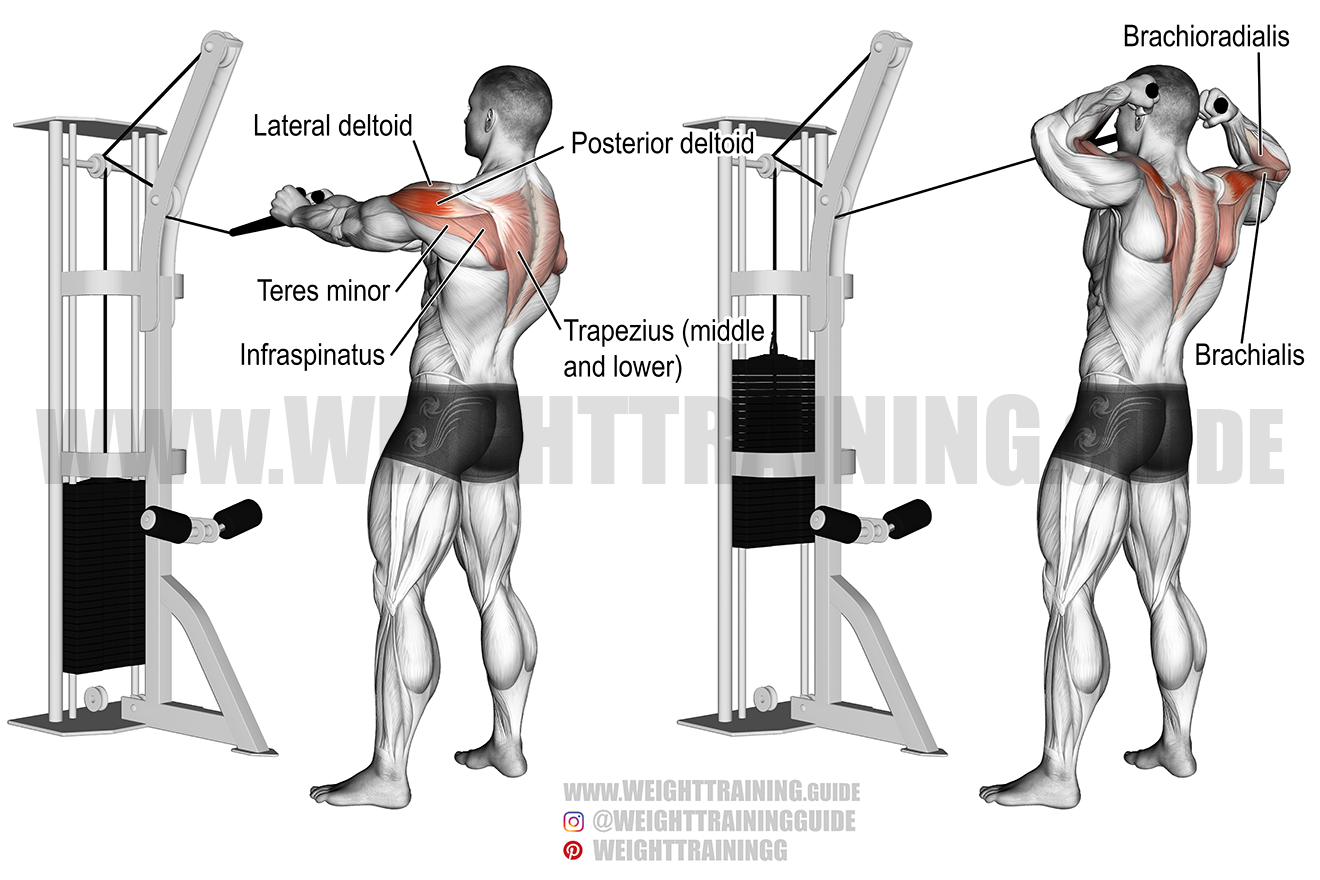
Face pulls bridge this mechanical gap. By requiring simultaneous scapular retraction and glenohumeral external rotation, the movement fires the neglected rear deltoids, rhomboids, and infraspinatus. This dual recruitment recalibrates the resting tension across the shoulder girdle, pulling the head of the humerus back into neutral alignment and restoring balanced upper back posture.

