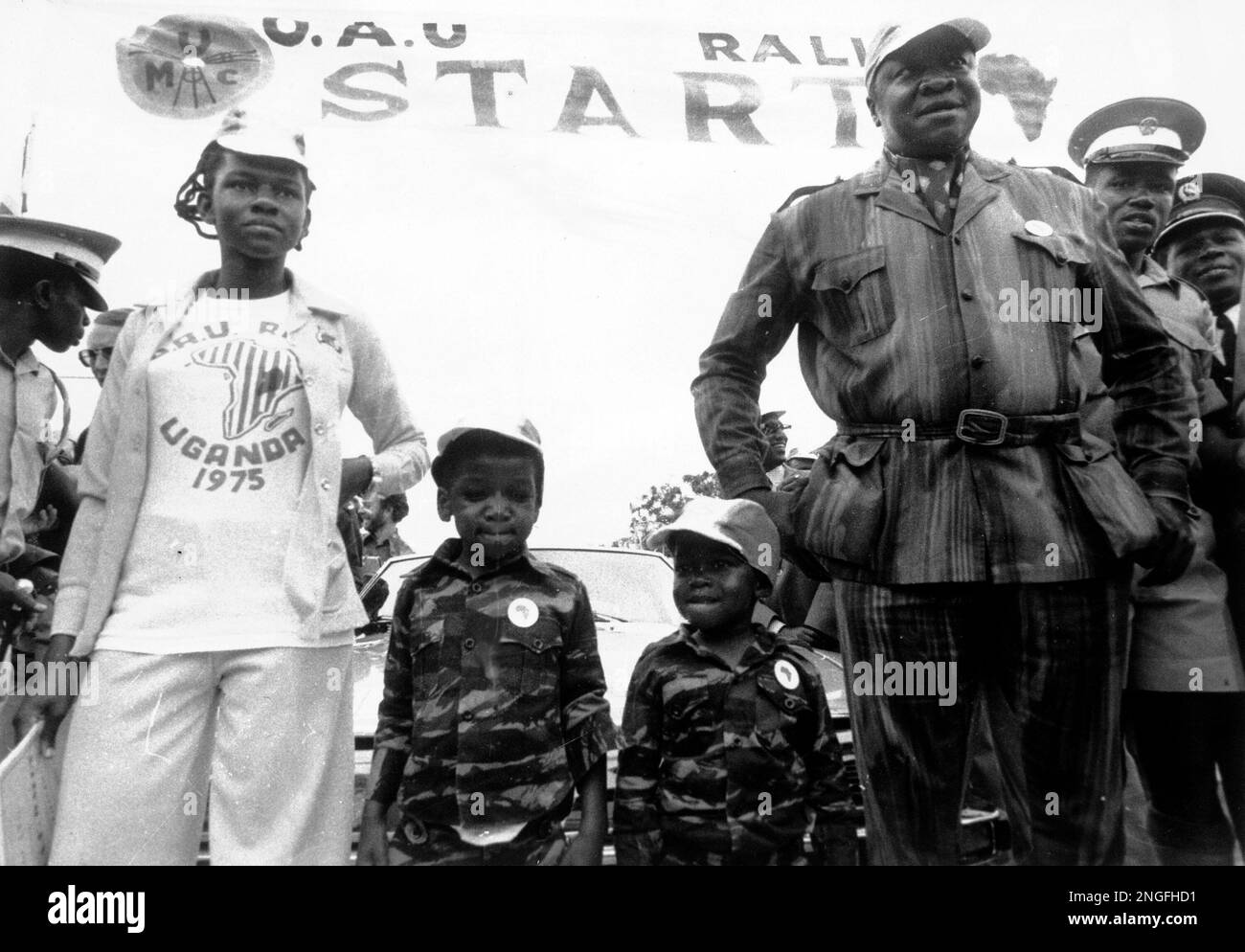
The myth of a Mwanga-Amin lineage ignores the foundational ethnic and regional divides created under British colonial rule. Beginning with the Buganda Agreement of 1900, the British administration applied an intentional policy of divide-and-rule across the protectorate. Baganda elites were tapped to run colonial administrative machinery, education, and civil institutions across southern and eastern Uganda.
The British turned to completely different ethnic populations to populate the military. The King's African Rifles (KAR), the colonial military force, recruited predominantly from the northern Nilotic and Central Sudanic ethnic groups, including the Acholi, Langi, and Kakwa. Colonial administrators classified northern Ugandans as "martial races," suited for military service, while southern Bantu groups handled civil affairs. Amin joined the KAR in 1946, working his way up through this colonial recruitment structure.
This structural division fueled ethnic mistrust throughout Uganda post-independence history. When post-independence governments clashed, the central friction centered on northern-dominated military officers versus southern monarchical leadership. Suggesting that Amin had direct royal ties to Buganda erases the distinct socioeconomic fault lines that defined twentieth-century Uganda.

