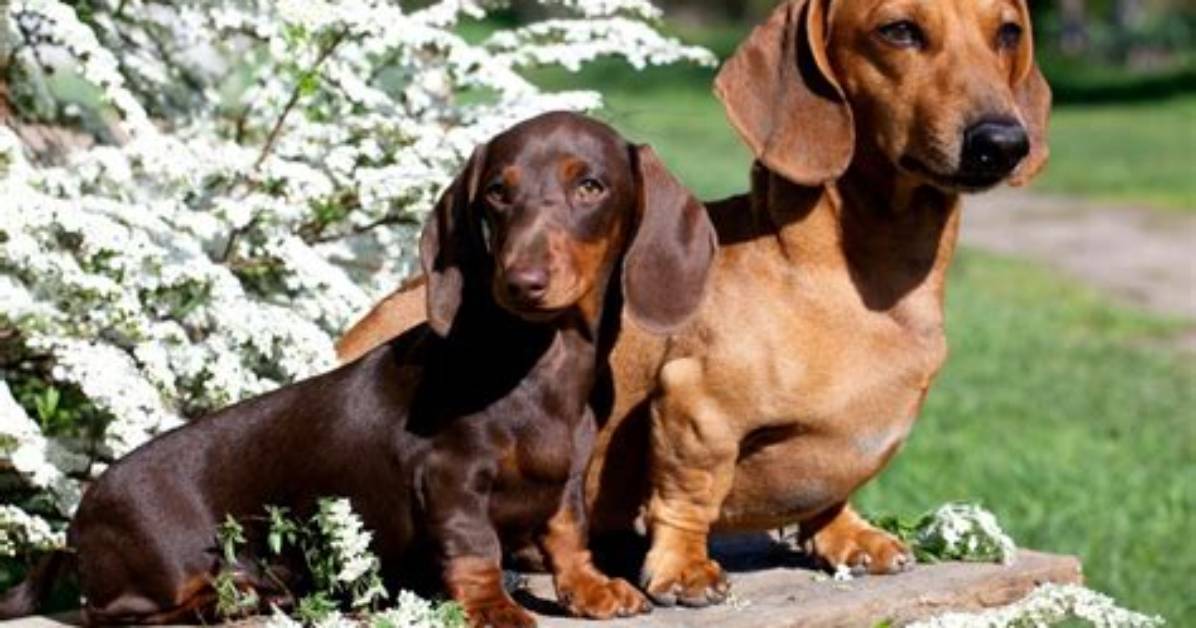
Evaluating clinical life expectancy across coat varieties and size standards highlights how physical variables impact survival rates:
| Variety / Size Classification | Typical Adult Weight | Median Lifespan | Primary Pathological Risks |
|---|---|---|---|
| Miniature Dachshund (Smooth / Long / Wire) | 8, 11 lbs (3.6, 5.0 kg) | 14, 17 years | Type I IVDD, dental disease, mitral valve disease |
| Standard Dachshund (Smooth / Long / Wire) | 16, 32 lbs (7.3, 14.5 kg) | 12, 15 years | Type I & II IVDD, cardiac failure, osteosarcoma, bloat (GDV) |
| "Tweenie" Dachshund (Unofficial Category) | 12, 15 lbs (5.4, 6.8 kg) | 13, 16 years | IVDD, patellar luxation, chronic endocrine disorders |
Coat texture also correlates subtly with temperament and systemic traits. Wirehaired dachshunds, which carry genetic heritage from terrier outcrosses, frequently show lower rates of certain spinal complications alongside higher resilience against environmental stress. Smooths show the highest relative incidence of reported IVDD events, often due to high population numbers and indiscriminate backyard breeding programs.

