Q1: Is "Bubba" classified as a racial slur under US federal law?
A1: No. Federal courts and the Equal Employment Opportunity Commission do not classify "Bubba" as a per se racial slur. However, if an employer or supervisor uses it persistently and disparagingly against a worker to demean their background or as a racial dog whistle, it can contribute to a legally actionable hostile work environment claim under Title VII of the Civil Rights Act.
Q2: Where did the name "Bubba" originally come from?
A2: The term originated in Southern American English during the 19th century as a child’s phonetic approximation of the word "brother." It developed into a common, affectionate familial nickname for boys across both Black and white households in the South before acquiring secondary class connotations in 20th-century media.
Q3: Why do some people find the word "Bubba" offensive?
A3: Outside its traditional familial context, "Bubba" is frequently used as a class-based pejorative. When directed at working-class or rural people, it plays into stereotypes depicting them as uneducated, backward, or aggressive. Additionally, using it on an unwilling coworker can feel patronizing and disrespectful.
Q4: Why was "Bubba" associated with the NASCAR racial slur controversy?
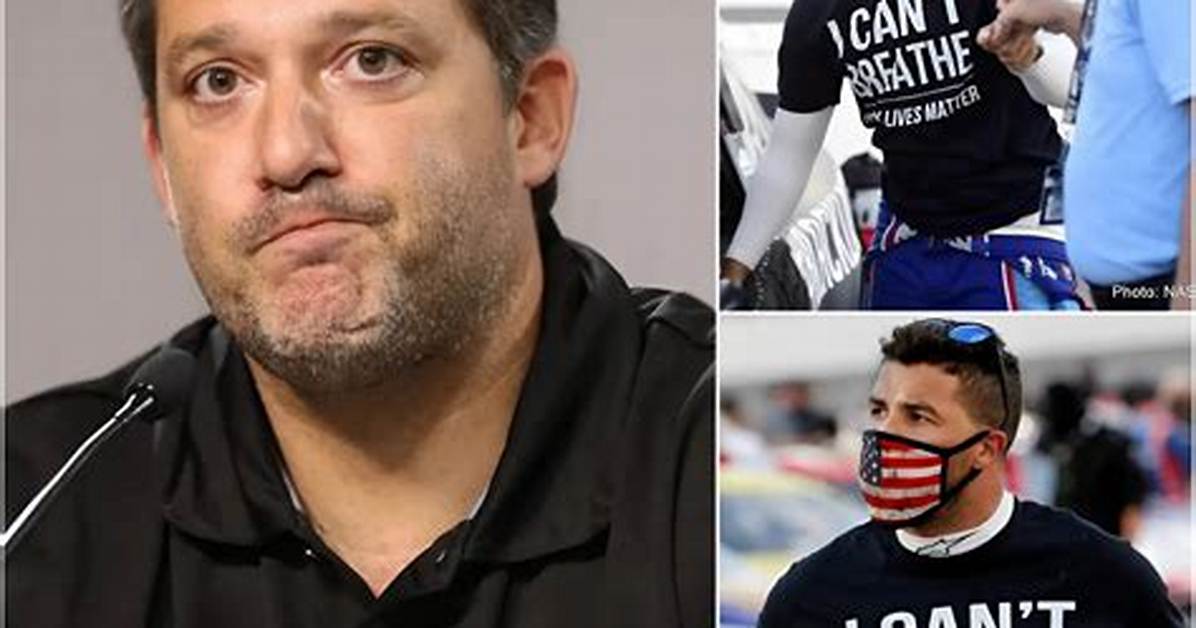
A4: The association stems from news coverage surrounding NASCAR driver Darrell "Bubba" Wallace Jr. In 2020, Wallace was the central figure responding to fellow driver Kyle Larson's broadcast use of an actual racial slur, and later was at the center of an FBI investigation regarding a garage pull at Talladega. Casual news consumers frequently confused the driver's lifelong childhood nickname with the offensive language being reported in the stories.

