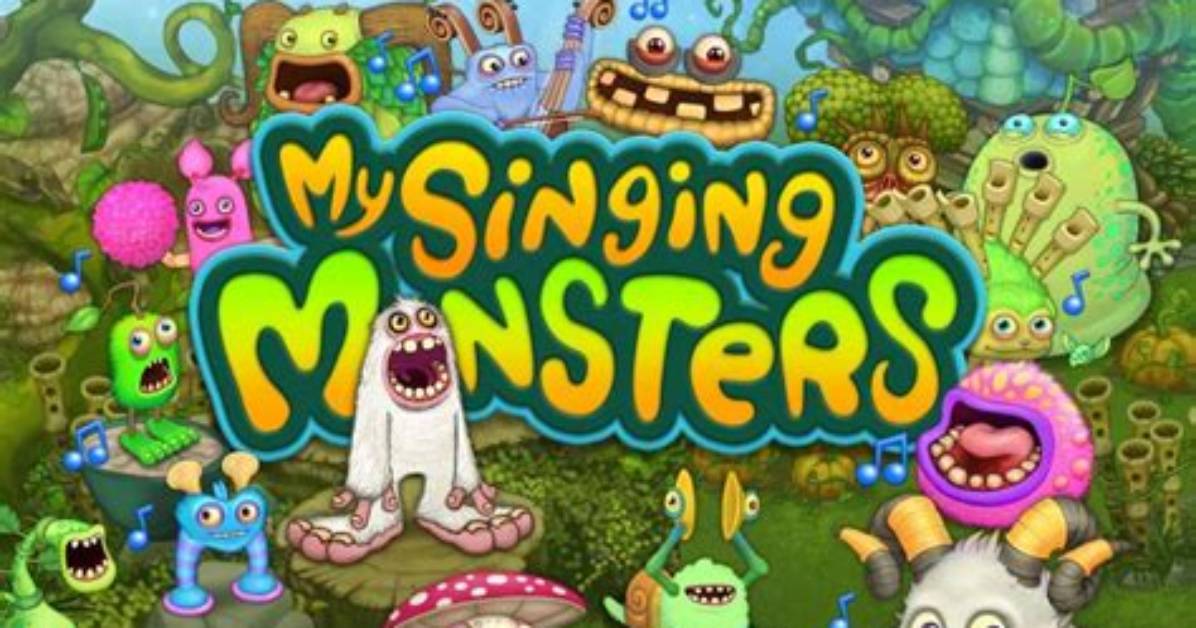
The anxiety began when short-form video creators posted reaction clips purporting to show adult imagery directly inside the game. These clips relied heavily on client-side software hacks, offline asset swaps, or simple video editing trickery designed to generate viral outrage. For an untrained eye, these staged clips looked like an authentic multiplayer session invaded by rogue digital art.
Digital fan art controversy is nothing new for family-friendly mobile games. Any intellectual property that amasses millions of active monthly users eventually develops a sprawling fandom culture. A minuscule fraction of that creative community produces explicit adaptations, universally categorized under internet subculture shorthand. When curious young players type character names into open image search engines without inappropriate search filtering, they run headlong into this material, prompting parents to believe the game client itself has been compromised.

