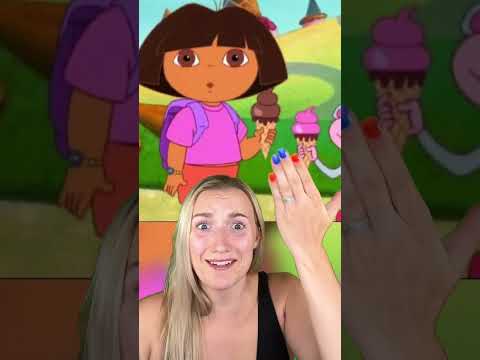
Far from hiding an unconfirmed physical disability, Dora the Explorer achieved historic success by mastering the mechanics of early childhood development. Every controversial design choice, the frozen eye contact, the methodical repetition, the deliberate delays, and the reliance on visual roadmaps, was calculated to turn television from a passive babysitter into an active learning environment.
Viewing the show through the lens of modern digital irony misses the intentional craft behind its production. Dora looked straight at the camera because she was designed to see, engage, and empower the young child sitting on the living room floor. Her gaze was not a symptom of blindness; it was an open door to active learning.

