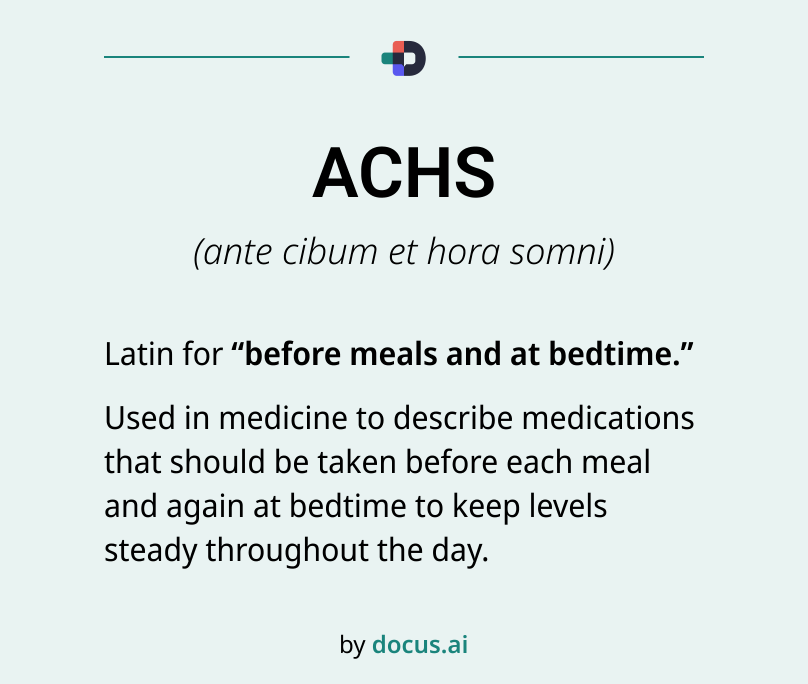
The rapid evolution of electronic health records (EHR) such as Epic and Oracle Health has systematically altered how clinical orders are transmitted. In early computerized provider order entry (CPOE) systems, physicians typed legacy shorthand codes directly into search fields. Typing "ACHS" simply triggered a backend conversion that scheduled tasks for standard hospital hours, such as 0730, 1130, 1630, and 2100.
That system created an artificial sense of precision. A nurse seeing an automated prompt for 1130 might perform a fingerstick on time, record a blood glucose reading of 240 mg/dL, and chart the correctional insulin dose, unaware that the hospital cafeteria was delayed and lunch would not arrive until 1300. By 2025, major academic medical networks updated their EHR master order catalogues to ban raw Latin entries entirely. Clinical interfaces now prompt prescribers with structured checkboxes: "Pre-meal (within 30 minutes of meal delivery) and at bedtime." This shift anchors clinical documentation to patient-centered physiology rather than archaic administrative shorthand.

