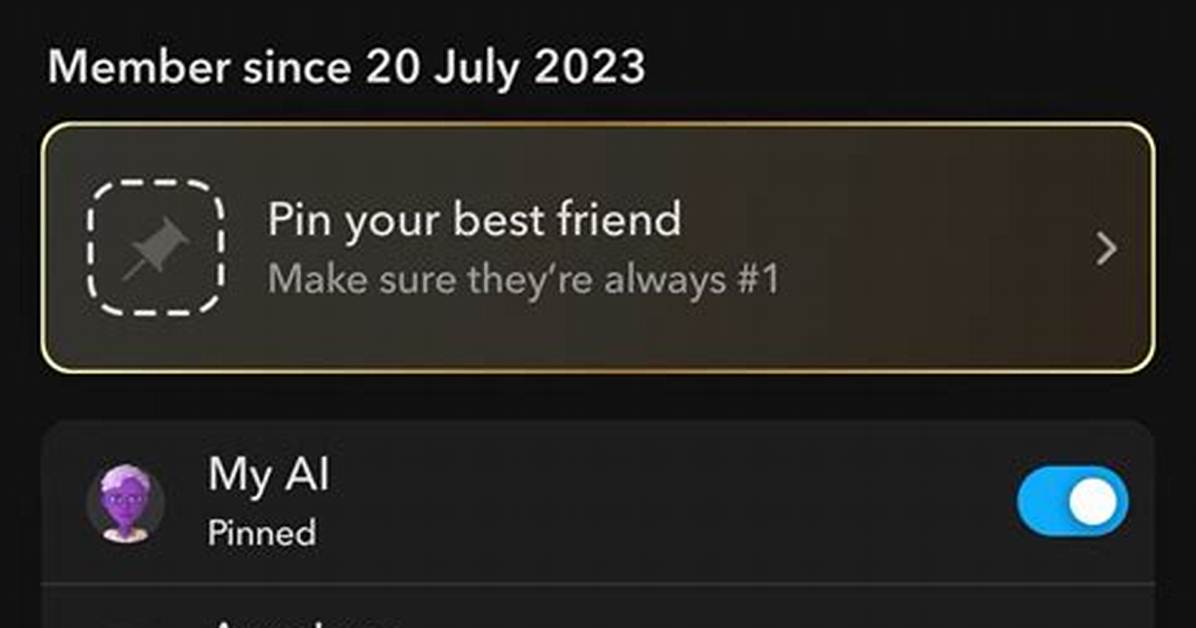
The platform disparity began in January 2021 when Social Media Today confirmed a limited test of an integrated dark palette for roughly 0.005% of the user base. By May 2021, Snap had converted that limited trial into a full production release for Apple devices. An update added a native menu labeled iOS App Appearance, allowing owners to align the app with their phone-wide display theme.
Android users waited. Months turned into years.
While rival platforms like Instagram, Twitter, and WhatsApp rolled out unified dark modes across both operating systems with zero friction, Snap left Android developers in the dark. Snap’s complex camera pipeline and reliance on custom cross-platform rendering frameworks made them treat Android as a secondary technical challenge. The camera viewfinder remained dark by nature, but swiping into user profiles, discover feeds, or direct message threads exposed users to blinding white backgrounds at 2 AM.

