The gap between laboratory definitions and household reality creates genuine health blind spots. Epidemiological studies linking coffee consumption to reduced risks of type 2 diabetes, stroke, and heart failure define a cup strictly between 6 and 8 fluid ounces.
When the FDA outlines caffeine safety, it identifies 400 milligrams per day, roughly four to five standard cups of brewed coffee, as an amount not generally associated with negative side effects for healthy adults. An 8-ounce cup of drip coffee contains approximately 95 to 105 mg of caffeine. Darker roasts, brew temperatures, and bean varietals shift that range, but the volume anchor remains constant.
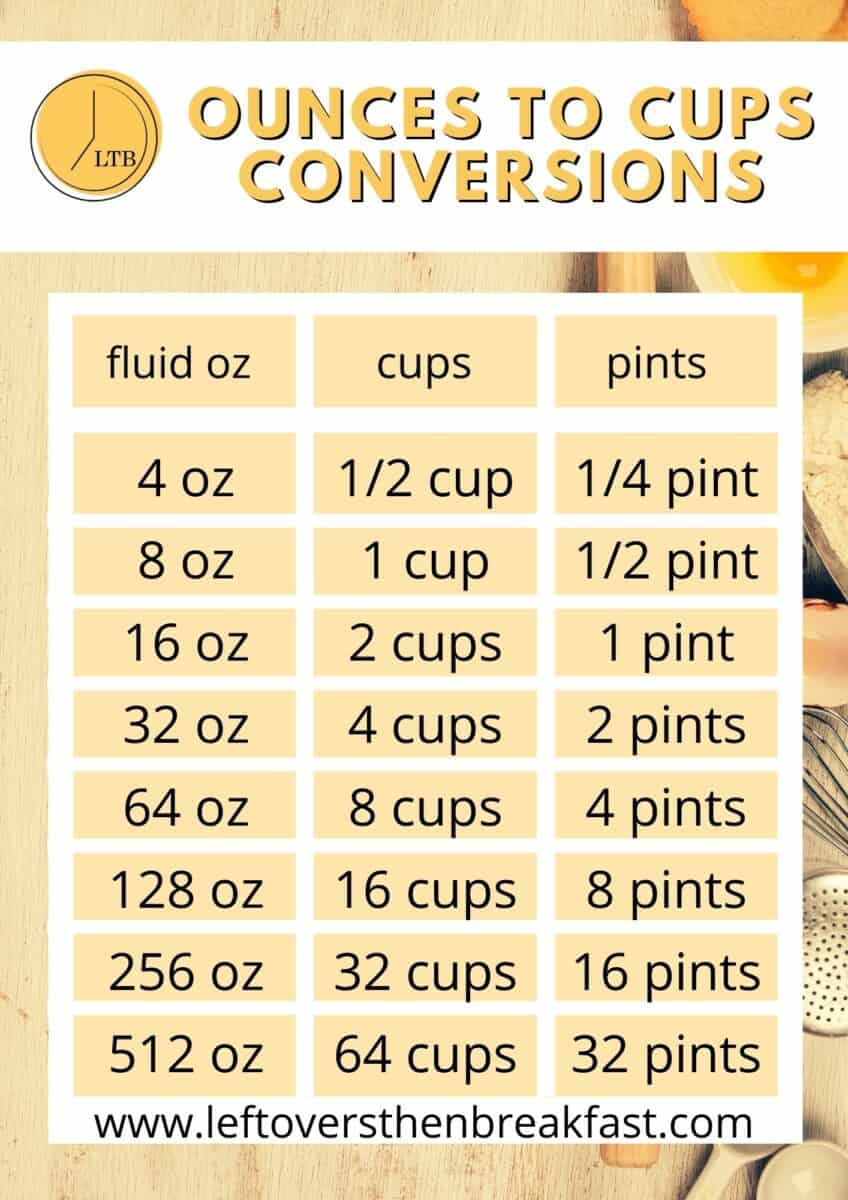
A consumer filling a 16-ounce insulated mug twice a day has finished four 8-ounce medical servings. If the coffee is a lightly roasted, concentrated specialty pour-over containing 150 mg of caffeine per 8 fluid ounces, those two mugs deliver 600 mg of caffeine. That intake exceeds daily federal recommendations by 50 percent, despite the drinker believing they only had "two cups."

