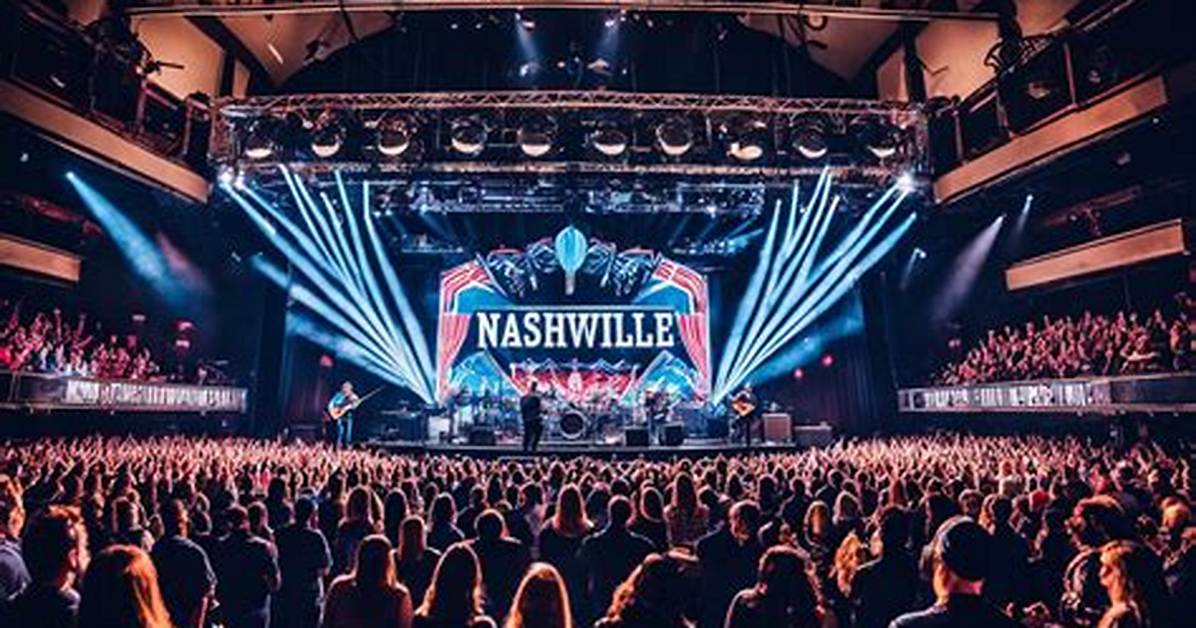
Nashville welcomed over 14.8 million visitors last year, pumping billions into the state’s tax coffers. The strip between 1st Avenue and 5th Avenue on Broadway looks impervious to economic hardship. Massive neon-lit complexes branded with names like Luke Bryan, Miranda Lambert, and Morgan Wallen draw thousands through revolving doors every hour.
Walk three blocks south of that neon corridor, however, and the reality shifts. Independent performance spaces and listening rooms operate on razor-thin operating margins averaging 2% to 4%. When commercial property values in downtown Nashville surged over the last reassessment cycle, triple-net commercial leases climbed in tandem. Small club owners found themselves saddled with astronomical tax liabilities that ticket sales and ten-dollar draft beers could no longer cover.
The live music ecosystem requires small incubators to survive. Superstars who pack Nissan Stadium do not materialize out of thin air; they cut their teeth on broken stages at The 5 Spot in East Nashville, Exit/In on Elliston Place, and open-mic nights at the Bluebird Cafe. When those smaller venues shutter or shift to private corporate event bookings, the pipeline breaks. Working musicians find themselves forced to play four-hour cover sets on Broadway just to make rent, leaving no time or energy to write original material.

