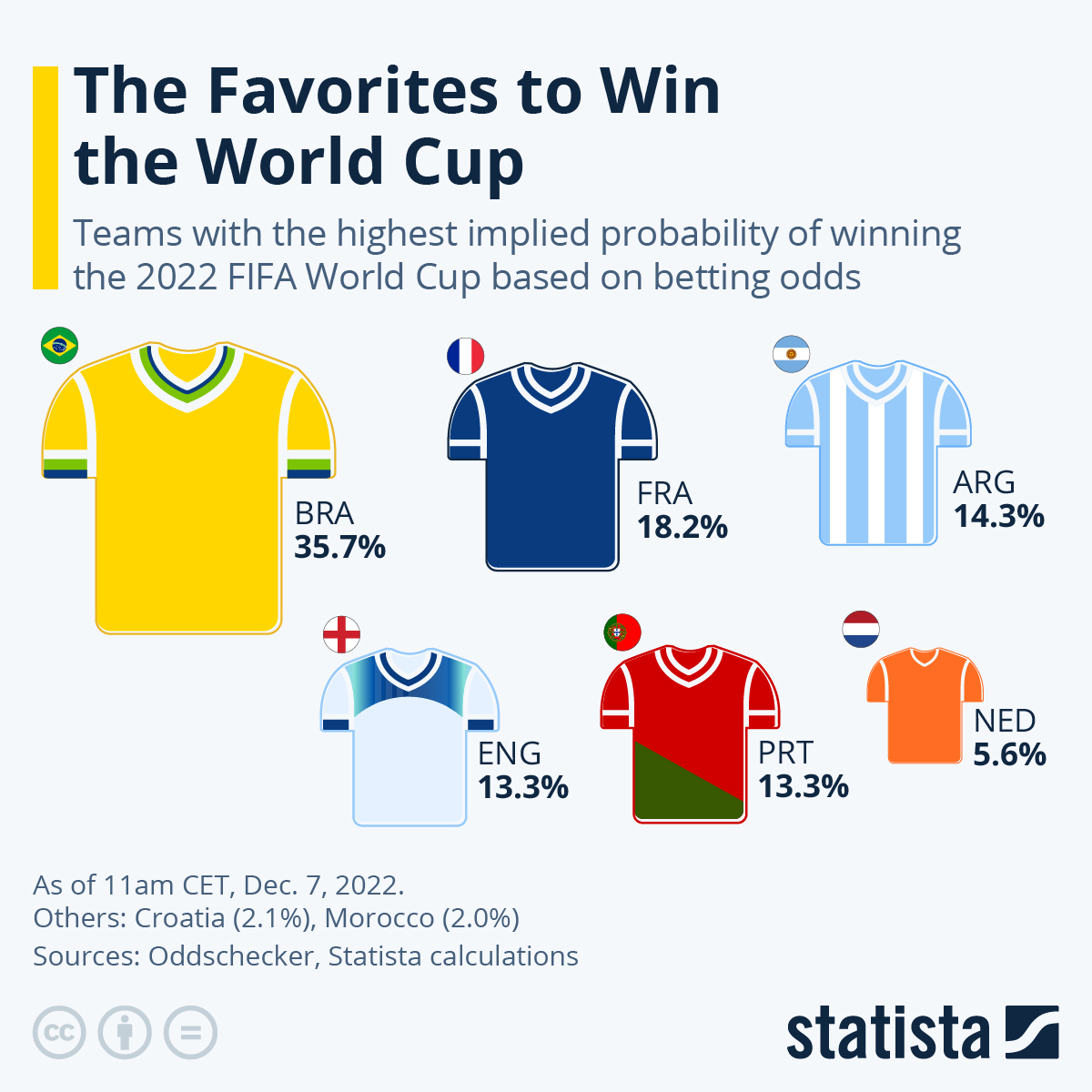
While the betting public chased England and Brazil, machine learning models took a radically different stance. Computational simulations published by quantitative desks, including tactical previews from EL PAÍS English, prioritized sustained pressing efficiency, defensive regression resistance, and ball-retention under pressure over individual star power.
The mathematical models favored Spain. Their squad ranked first in open-play ball progression and lowest in expected goals conceded per 90 minutes across all qualifying cycles. Where human bettors saw a lack of an orthodox superstar goalscorer, algorithms saw a midfield engine capable of starving opponents of possession in sweltering summer conditions.
| Nation | Opening Futures Odds | Implied Probability | Final Tournament Result |
|---|---|---|---|
| France | +550 | 15.4% | Semi-Final Exit |
| England | +600 | 14.3% | Quarter-Final Exit |
| Brazil | +600 | 14.3% | Quarter-Final Exit |
| Argentina | +700 | 12.5% | Runner-Up (Finalist) |
| Spain | +750 | 11.8% | Tournament Champion |
| Portugal | +1200 | 7.7% | Round of 16 Exit |
The numbers revealed a classic pricing inefficiency. While France and England received inflated market backing based on celebrity rosters, Spain’s collective unit proved far more durable over a seven-match marathon.

