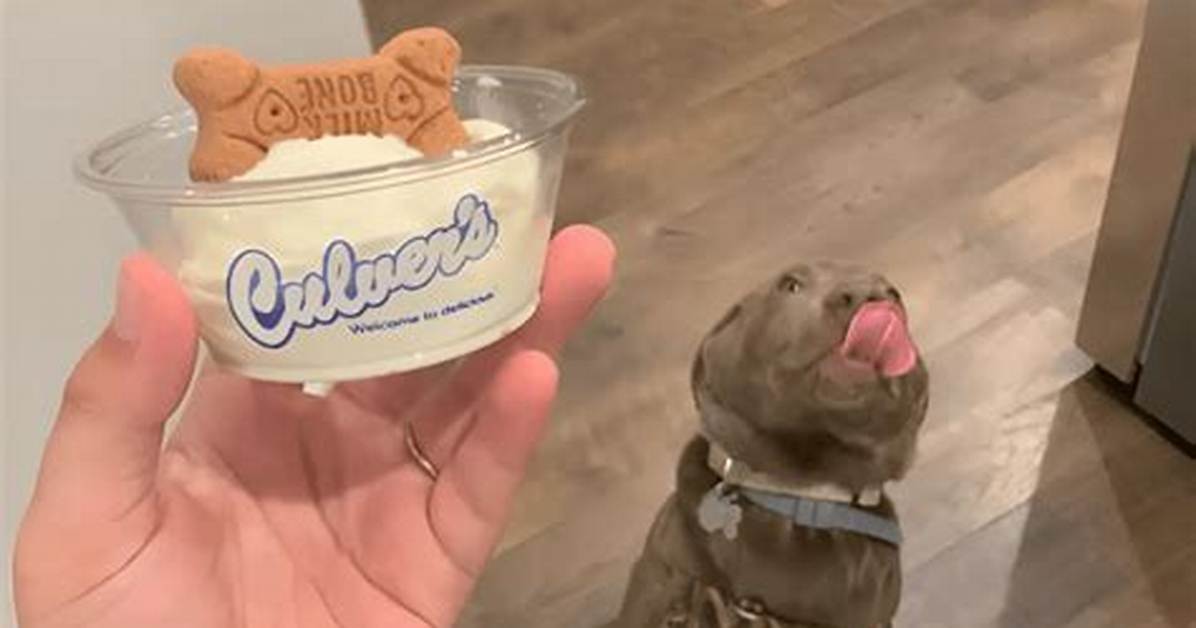
Before rolling through the lane, owners must weigh veterinary science against social trends. Dogs process human-grade dairy poorly. While puppies produce ample lactase to digest their mother's milk, most dogs lose the enzyme after weaning. Introducing concentrated dairy triggers digestive friction.
Common Drive-Thru Dairy Items: Nutritional Impact on Dogs
├── Whipped Cream (Standard)
│ ├── High saturated fat content (Risk: Acute pancreatitis)
│ └── Refined sugars or vanilla flavorings (Risk: Vomiting, hyperactivity)
└── Vanilla Soft Serve (McDonald's)
├── Lactose concentration (Risk: Osmotic diarrhea, severe bloating)
└── Artificial stabilizers and emulsifiers (Risk: Gut flora disruption)
Small breeds face heightened vulnerabilities. A single ounce of heavy whipped cream packs considerable calories and dense fat for a ten-pound Dachshund or French Bulldog. Excessive dietary fat consumption can inflame the pancreas, a condition known as canine pancreatitis, requiring emergency fluid therapy and clinical monitoring.
If a dog eats dairy, symptoms of lactose intolerance appear quickly:
- Audible abdominal rumbling within 30 to 60 minutes
- Gas and painful abdominal distension
- Acute diarrhea or watery stool
- Lethargy paired with vomiting
If an owner chooses to order from the McDonald's drive-thru, safer alternatives exist on the human menu. Ordering an unseasoned, plain grilled beef patty, specifying no salt, no butter, no onions, and no seasoning, gives a dog pure protein without dairy-induced intestinal distress.

