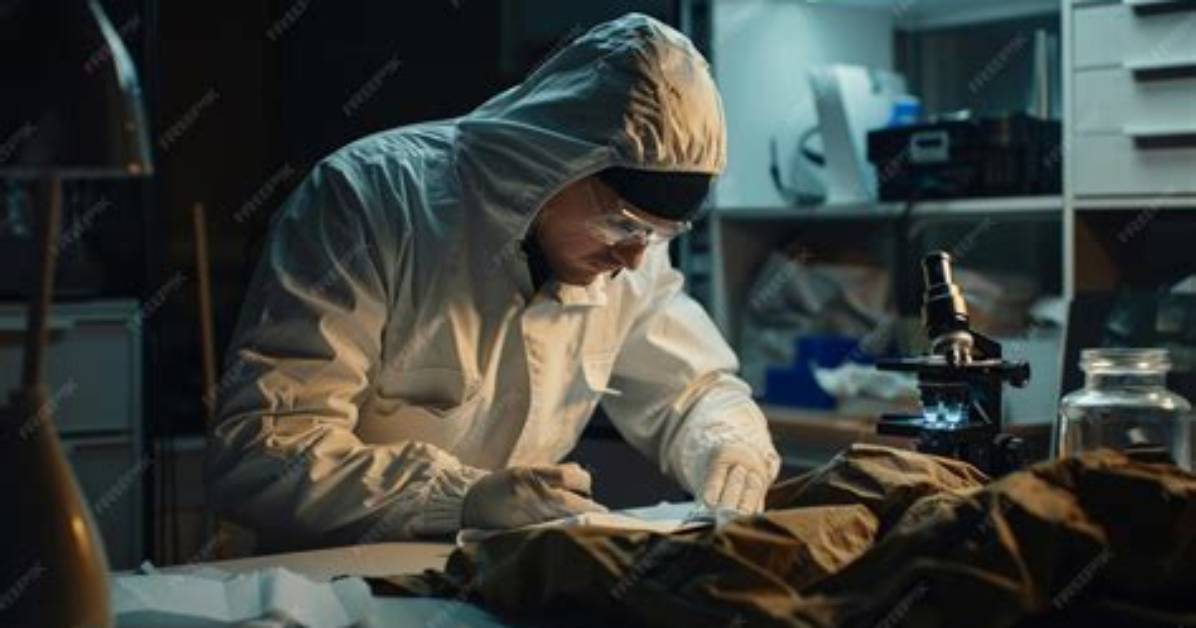
The intersection of forensic science and the justice system demands relentless empirical rigor. The historic impulse of institutional defense teams to weaponize personal attire, relying on social biases to justify excessive force or dismiss sexual violence, is collapsing under modern laboratory standards. Fiber morphology, epithelial extraction, and strict custody frameworks leave little room for subjective courtroom narratives.
When physical items like intimate apparel transition from personal possessions into criminal exhibits, they carry the unfiltered truth of what occurred behind closed precinct doors. By maintaining independent forensic oversight and enforcing zero-tolerance statutory limits on judicial prejudice, human rights advocates and specialized prosecutors ensure that physical evidence serves its true function: holding power accountable through verifiable, unimpeachable facts.

