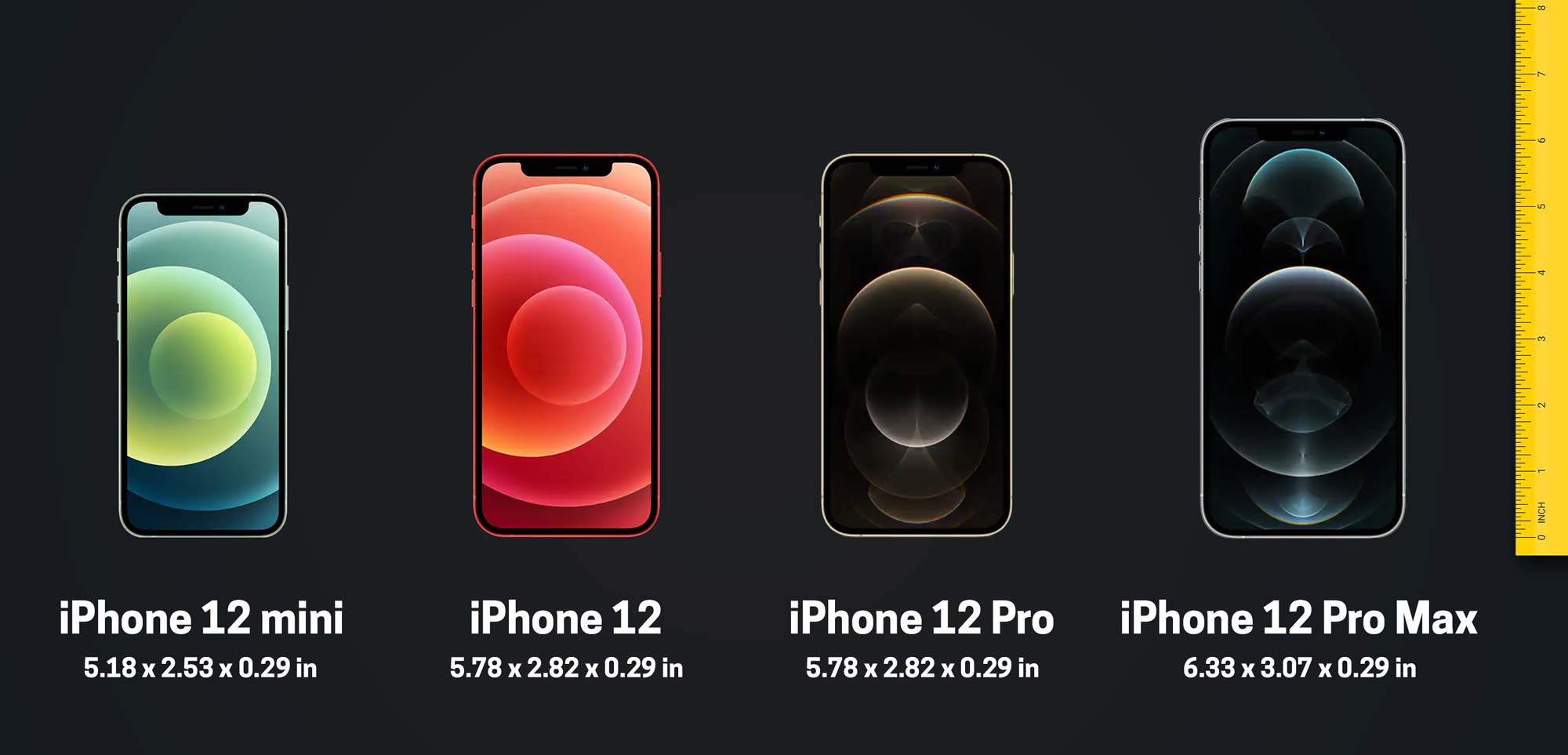
The display panel delivered technical parity with larger siblings rather than budget compromises. Apple embedded a 5.4-inch Super Retina XDR display with a resolution of 2340x1080 pixels. That yielded a sharp pixel density of 476 pixels per inch (ppi), which was actually higher than the pixel density of the iPhone 12 Pro Max.
One-handed usability was the primary selling point. On a typical 6.1-inch or 6.7-inch screen, reaching the upper corners requires shifting your palm or triggering software assists like Reachability. On the 12 mini, the thumb's natural sweep could access 95% of the active panel surface without breaking balance. Text input via swipe-typing worked effortlessly with a single hand while walking or holding a subway rail.
True pocketability went beyond marketing slogans. The phone slipped into shallow front pockets, tailored athletic shorts, and small internal jacket compartments without bulging or twisting waistbands. For physical minimalists, it solved the hand fatigue caused by heavy modern slabs. Yet that shrinking footprint brought severe physical limitations that software couldn't fix.

