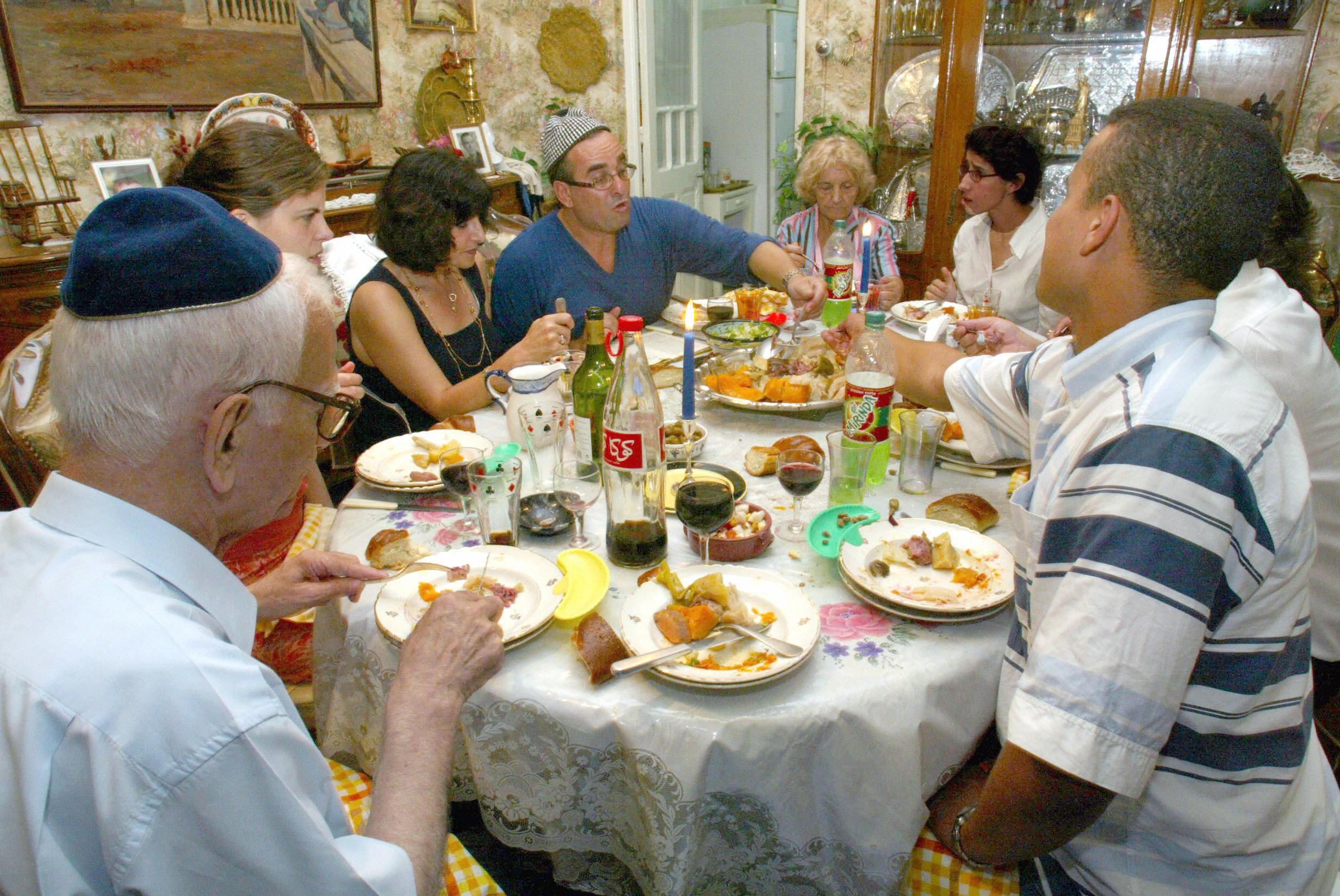
Sitting down for lunch inside communal halls reveals an increasingly divided social fabric. While the foods served may share roots, social and political discourse at tables varies dramatically across denominations.
In modern Orthodox circles, conversation around the Kiddush table frequently centers on community security, rising antisemitism rates, school tuitions, and Israeli domestic policy. Ritual strictness remains non-negotiable. Guests double-check the specific certification agency before biting into a pastry, and men and women may naturally segregate into distinct conversation clusters following services.
Across the denominational spectrum, Reform and Conservative dining spaces approach the midday gathering with different social priorities. Luncheons often highlight broader social action initiatives, refugee relief work, and interfaith partnerships. Tables are egalitarian, conversation flows across party affiliations, and meals are predominantly vegetarian or fish-based to allow universal participation without requiring expensive full-time supervisory staff.
The February 2026 clash during Nigel Farage's appearance in London showed how volatile these spaces can become when partisan politics enters the hall. When political leaders attempt to leverage denominational gatherings to win electoral support, congregants refuse to stay silent. The dining hall transforms into a forum for vocal debate.

