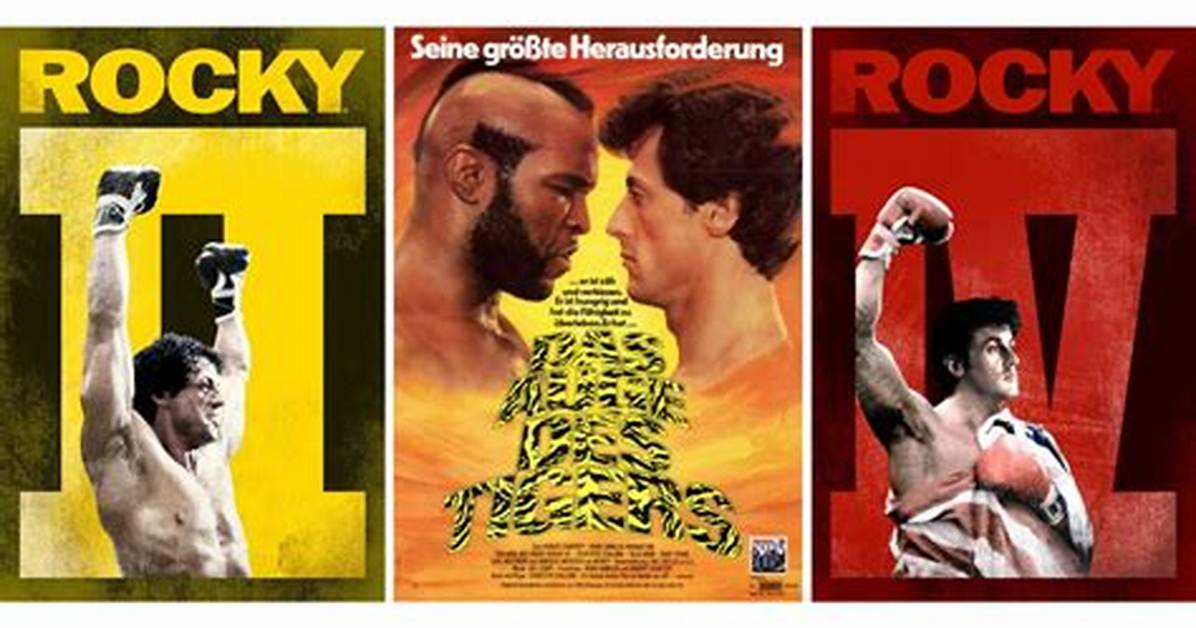
The question of whether Rocky Balboa is autistic ultimately reveals less about clinical taxonomy and far more about why audiences still care about the character fifty years after his debut. Hollywood in the 1970s and 1980s prioritized smooth, invulnerable action heroes who quipped through explosions without skipping a beat. Balboa offered the exact opposite: an insecure, bruised, physically imperfect fighter who stumbled over his words and spoke from an open heart.
Sylvester Stallone took his birth complications, the painful reality of brain injuries suffered by professional prizefighters, and his private experiences raising an autistic child, transforming them into an unforgettable piece of American mythology. Rocky endures not because he fits neatly into a diagnostic box, but because he shows that strength, decency, and love do not require traditional polish to change the world.

