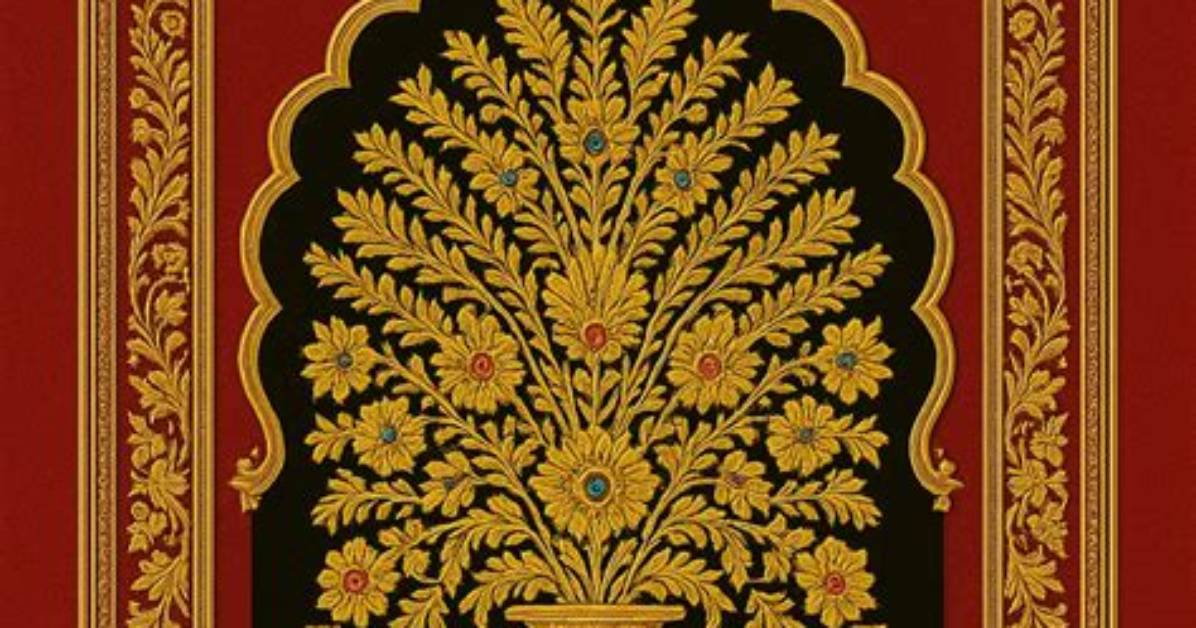
The generational scars of the colonial period remain visible in South Asia's textile centers, but recent years have seen an aggressive push to reclaim narrative and technical authority. Independent fashion houses, textile historians, and artisan-led collectives across India and Pakistan are interrogating museum archives to reverse colonial disruptions.
Pakistani streetwear label Rastah, for example, has systematically challenged the Subcontinent’s historic relationship with British colonial rule. Their collections incorporate traditional zardozi and dabka hand-embroidery directly onto modern structural silhouettes, deliberately juxtaposing heritage craftsmanship with explicit critiques of imperial labor exploitation. By pairing museum-grade needlecraft with decolonial critique, these garments push back against Western views that treat South Asian embroidery as cheap, anonymous factory embellishment.
At the same time, regional preservation centers in Lucknow and Varanasi are reviving historical wire-drawing practices. Artisans are re-learning the difficult process of crafting natural silk-core kalabattun threads, rejecting machine-spun synthetic braids that entered the craft during the colonial decline. Curators are updating archival attributions in European institutions, identifying the unnamed master karigars (artisans) whose forced labor produced celebrated Victorian court dresses.

