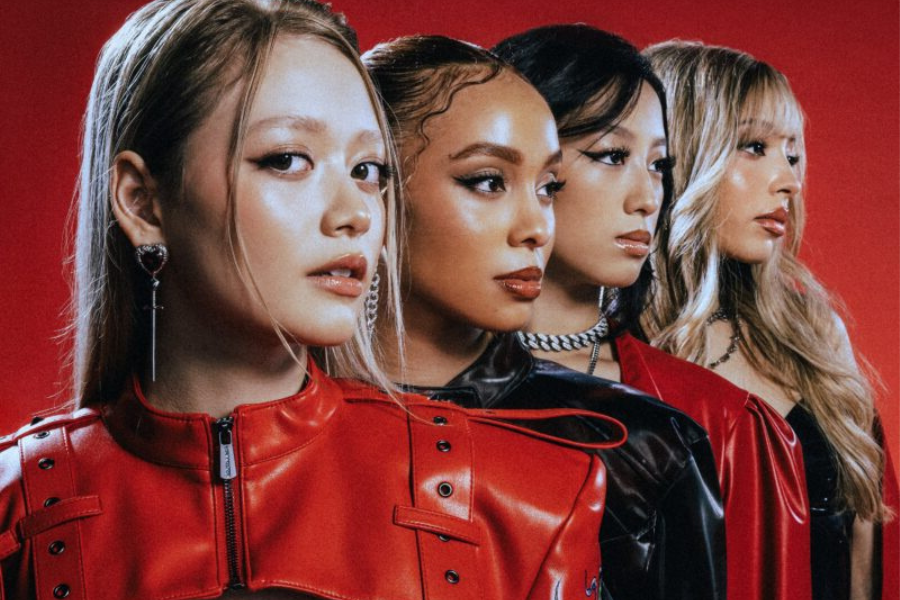
To grasp why major labels invest tens of millions into projects like GIRLSET, one must examine the operational lifecycle of global girl groups. The market moves from lightning-fast viral breakthrough moments to structured corporate expansions, ultimately culminating in decades of legacy wealth.
| Group / Unit Initiative | Operating Model | Strategic Era | Financial / Market Impact |
|---|---|---|---|
| HRS Unit | Viral choreography sprint; micro-targeted algorithmic rollout | 2024, 2025 | Top 10 global short-form audio; drove 340M+ streams within 90 days |
| VCHA | Reality survival show format; Western-focused teen pop | 2023, 2024 | Initial arena opening slots; momentum stalled due to domestic radio resistance |
| GIRLSET | Rebranded multinational quintet; hybrid Seoul-LA production | 2025, 2026 | Multi-territory sync licensing; dual-market physical distribution expansion |
| Spice Girls | Legacy pop brand; licensing, catalog rights, individual holding firms | 1996, 2026 | Aggregate member wealth exceeds $490M across fashion, publishing, and catalogs |
The comparative timeline clarifies the industrial progression. A viral event like the HRS sub-unit release proves an audience will embrace hyper-focused pop records regardless of member origins. However, turning that raw attention into enduring revenue requires institutional staying power. The Spice Girls' financial resilience demonstrates that when a girl group cements individual member identities into culture, their commercial monetization spans decades. GIRLSET sits directly at this crossroads: leveraging real-time streaming velocity while building an indelible catalog asset.

