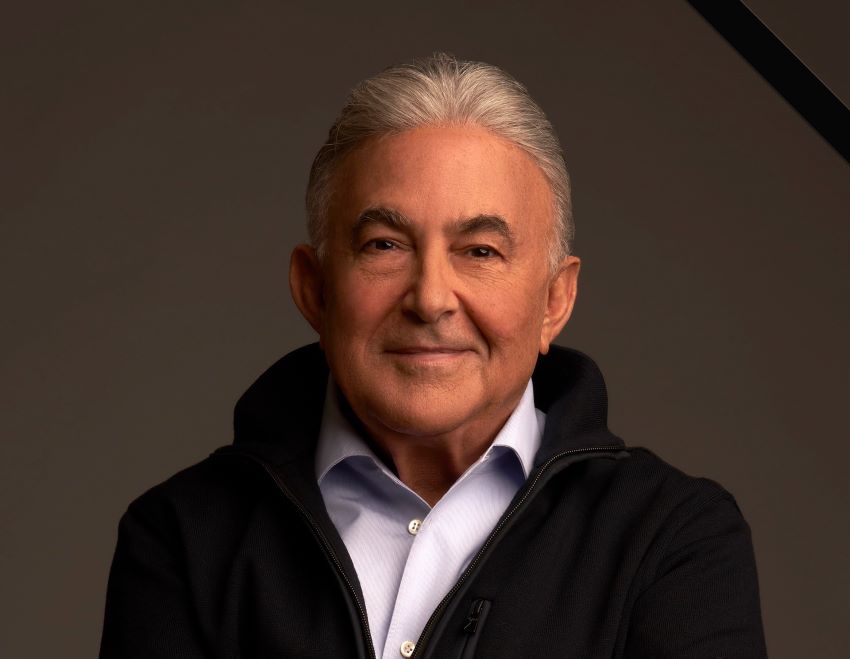
Gustavo Cisneros operated through an opportunistic investment philosophy, acquiring distressed or undercapitalized consumer brands, scaling them internationally, and exiting at peak market cycles. This flexibility prevented his capital from becoming trapped in politically unstable jurisdictions.
| Asset / Company | Holding Period | Key Financial Metrics | Strategic Outcome |
|---|---|---|---|
| Venevisión | 1960, Present | Controlled up to 60% domestic audience share | Anchored domestic influence; later scaled down to basic cable/production hub. |
| Spalding & Evenflo | 1984, 1996 | Acquired for ~$125M; sold for ~$1B | Marked first major diversification into U.S. consumer and sporting products. |
| Univision Stake | 1992, 2007 | $550M buy-in (consortium); $13.7B buyout sale | Generated hundreds of millions in net proceeds, financing global portfolio shifts. |
| Pepsi Bottling Venezuela | 1940, 1996 | Held 85% domestic cola market | Abruptly switched alliance to Coca-Cola in 1996 in an aggressive $500M joint venture. |
| AOL Latin America | 1999, 2005 | $100M+ initial joint commitment | Failed venture; filed Chapter 11 during the dot-com bubble fallout. |
Forbes tracked his net worth over several decades, estimating his personal fortune at $1.1 billion to $4.5 billion between 1995 and his death in 2024. Market corrections, failed digital bets like AOL Latin America, and Venezuela's structural economic collapse reduced his family's paper wealth from its mid-2000s peak. Even so, strategic real estate purchases in the Dominican Republic and early bets on telecom networks maintained the family's presence in international billionaire rankings.

