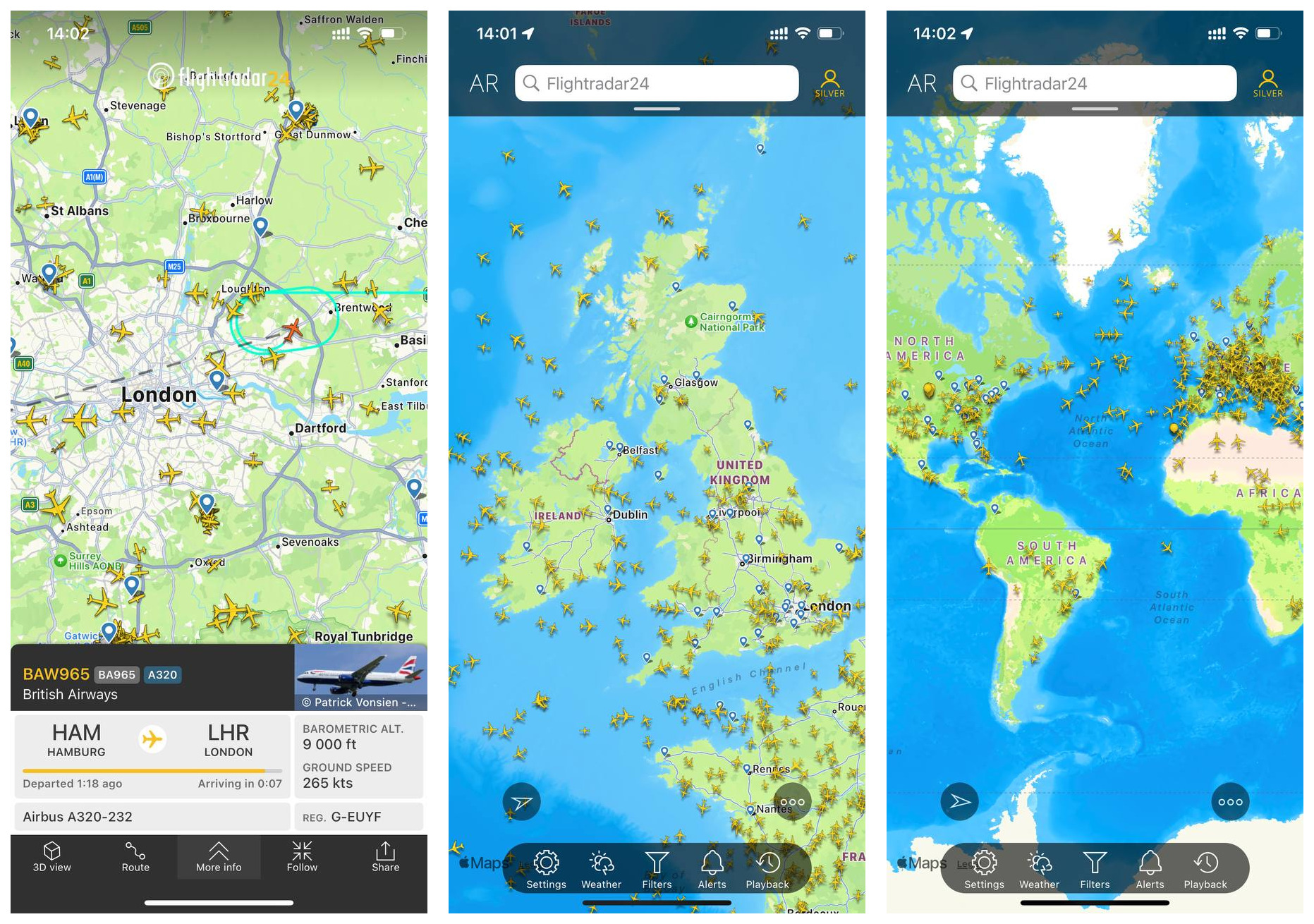
The true operational utility of crowdsourced flight platforms lies not in accident recreation, but in tracking macro-level airline recovery operations and network disruptions. When violent weather fronts batter major connecting airports, or when geopolitical tensions close international corridors overnight, commercial flight paths twist across entire continents.
During sweeping winter storms or severe convective weather across North America and Europe, dispatch centers redirect hundreds of routes simultaneously. Dispatchers and ground handlers monitor regional congestion using combined terrestrial ADS-B and airport gate feeds to anticipate arrival banks. When planes burn holding patterns, Flightradar24 displays racetrack loops and fuel-diversion vectors in crisp real time, providing travelers with ground-truth updates hours ahead of delayed airline customer service notifications.
Airline operations control centers (OCCs) routinely balance slot availability by watching secondary diversion hubs. If severe crosswinds shut primary runways at Cape Town, flights divert inward toward Lanseria or OR Tambo. Tracking platforms ingest slot delays and tail assignments, capturing the logistical ripple effect as grounded crews exceed legal duty times and aircraft reposition across continental networks.

