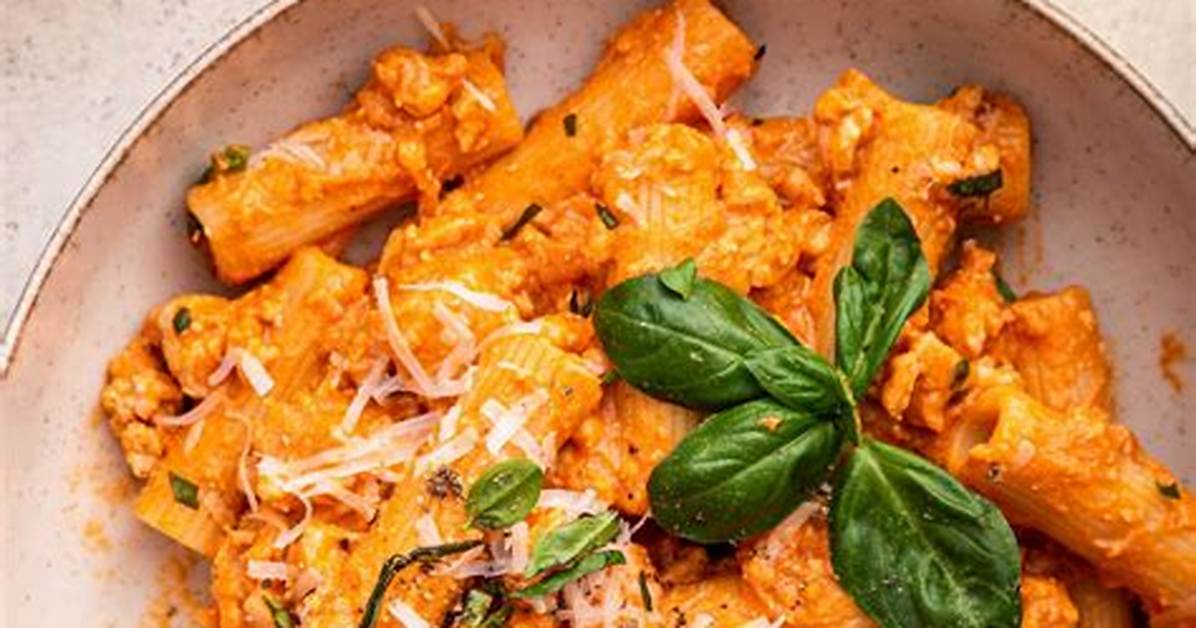
Every culinary shortcut comes with tradeoffs. Understanding where blended curds succeed and where they fail prevents disappointing dinner outcomes.
This technique is well suited for:
- Active individuals tracking macros: Adding 25+ grams of protein directly into a pasta plate eliminates the need to prepare a separate side of chicken breast or ground beef.
- Parents of selective eaters: Children sensitive to visual curds or distinct dairy textures cannot detect the ingredient once blended smoothly into marinara or mac-and-cheese sauce.
- Budget-conscious meal preppers: Blended sauces hold their emulsion during refrigeration far better than butter-and-flour roux mixtures, which often turn rubbery when chilled.
This technique is not recommended for:
- Lactose-intolerant diners: Unless purchasing certified lactose-free varieties, cottage cheese contains between 3 to 6 grams of lactose per cup, which can cause digestive issues.
- High-heat skillet frying: Recipes requiring continuous, high-temperature pan reductions should avoid this base, as prolonged boiling causes water separation.
- Culinary purists: A blended dairy reduction will never mimic the deep, nutty, slow-caramelized profiles of classical Italian pan sauces like authentic carbonara or cacio e pepe.

