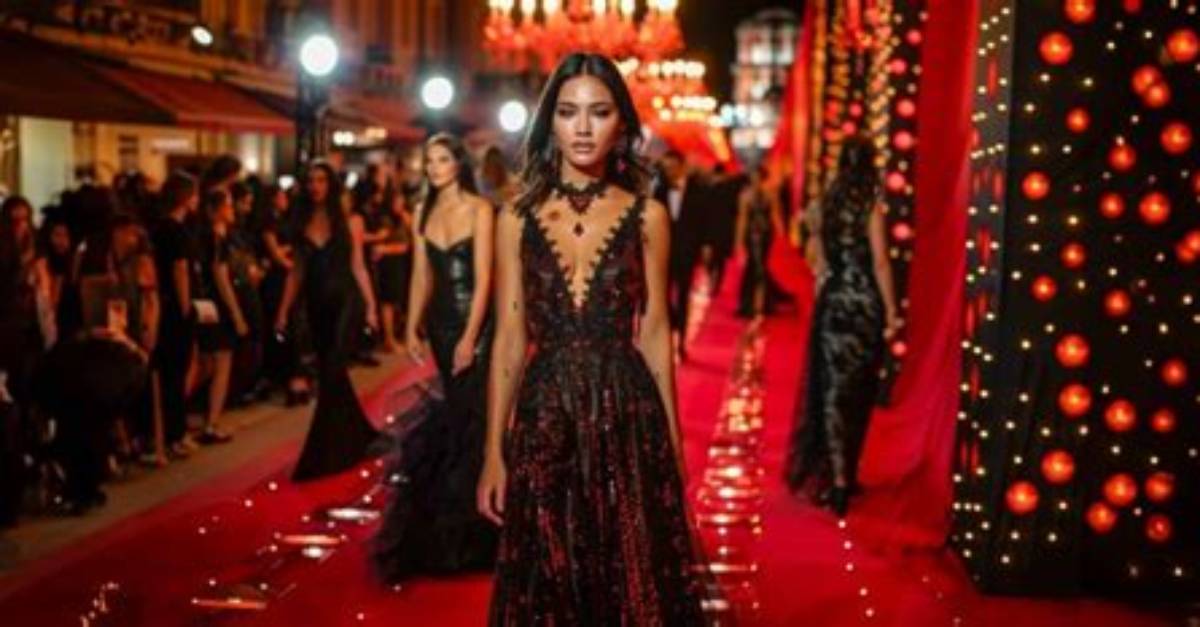
Throughout the late 1990s and early 2000s, pop culture categorized women with prominent bustlines into a rigid, sexualized box. Editorial spreads favored waif-thin models, reserving larger busts for lad magazines, reality television, and paparazzi feeds. Designers rarely constructed sample garments above a standard Italian size 38, leaving curvy celebrities either squeezed into restrictive garments or relegated to off-rack alterations that lacked couture finesse.
The cultural tide began shifting when the body positivity movement collided with undeniable commercial realities. High-profile figures insisted on wearing clothes designed for their actual bodies, refusing to submit to standard runway compression. The public appetite shifted alongside them. Consumers grew tired of aesthetic minimalism that ignored anatomical diversity. What was once dismissed by fashion critics as vulgar became recognized as a technical challenge that luxury ateliers had ignored for far too long: how to dress a voluptuous form with balance, structure, and sophisticated allure.

