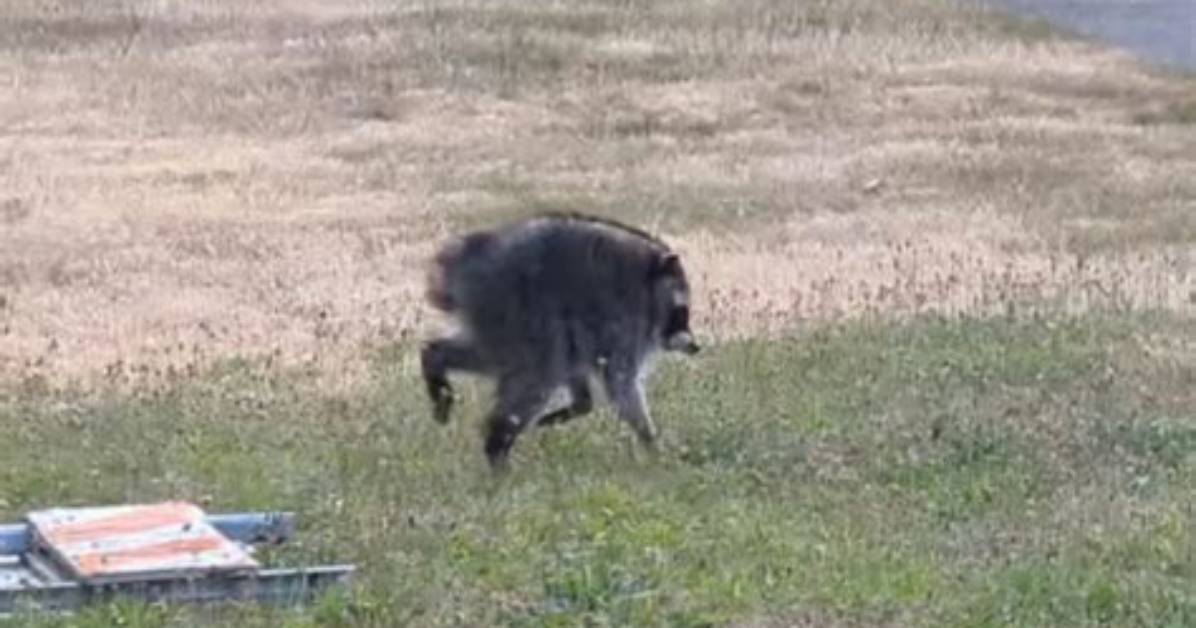
The saga of Seattle’s favorite masked forager represents modern internet culture at its most harmless: a collective, good-natured celebration of an ordinary animal navigating human architecture. It delivered a brief, unifying diversion across the dog days of summer, providing an antidote to an otherwise relentless news cycle.
At the same time, the spectacle highlighted the delicate boundary between humans and the natural world in green Pacific Northwest cities. Raccoons are not domesticated novelties, nor are they cartoon characters designed for algorithmic engagement. They are opportunistic, intelligent survivors that thrive precisely because our cities are messy, wasteful, and overgrown.
As autumn approached, the videos slowly tapered off, and the backyard clips gave way to new online fads. Yet across Seattle’s tree-lined avenues, Jimothy, or the half-dozen plump lookalikes that share his name, remains out there, prowling the cedar decks, tipping over compost bins, and reminding an entire city who truly owns the night.

