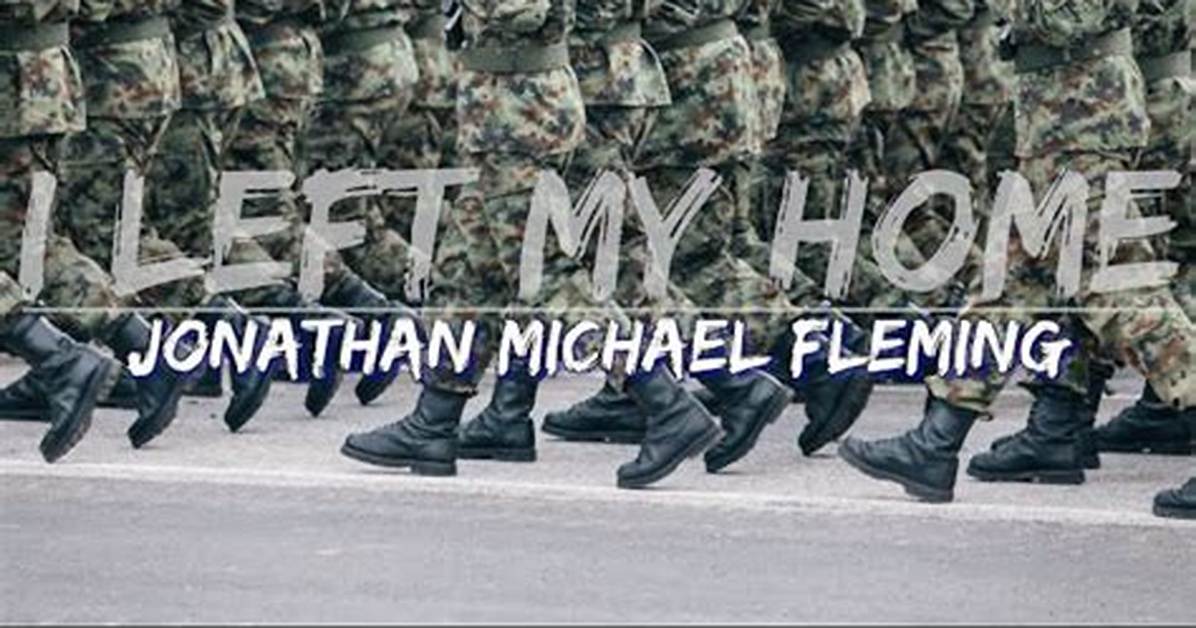
This mainstream success brings awkward questions about ownership and authenticity. Traditional military cadences sit squarely in the public domain. They have no single registered songwriter, no performance rights organization tracking their royalties, and no estate collecting licensing fees. When an electronic producer samples a drill sergeant's voice from an uncredited field recording, the original singer rarely earns a dollar or sees formal credit on the release.
Veteran communities online frequently debate this dynamic. Some service members view civilian remixes as a shallow commodification of military culture. In their eyes, stripping the cadence of its brutal physical context, the blistering rucks, the frostbite, the genuine fear of deployments, turns serious military heritage into mere background noise for workout clips.
Yet other veterans welcome the trend. They point out that military culture often feels isolated from mainstream civilian life. When young civilians find genuine emotional release in a boot camp song, it bridges a wide cultural gap. The chant preserves an oral history of service members that would otherwise remain confined to dusty training bases.

