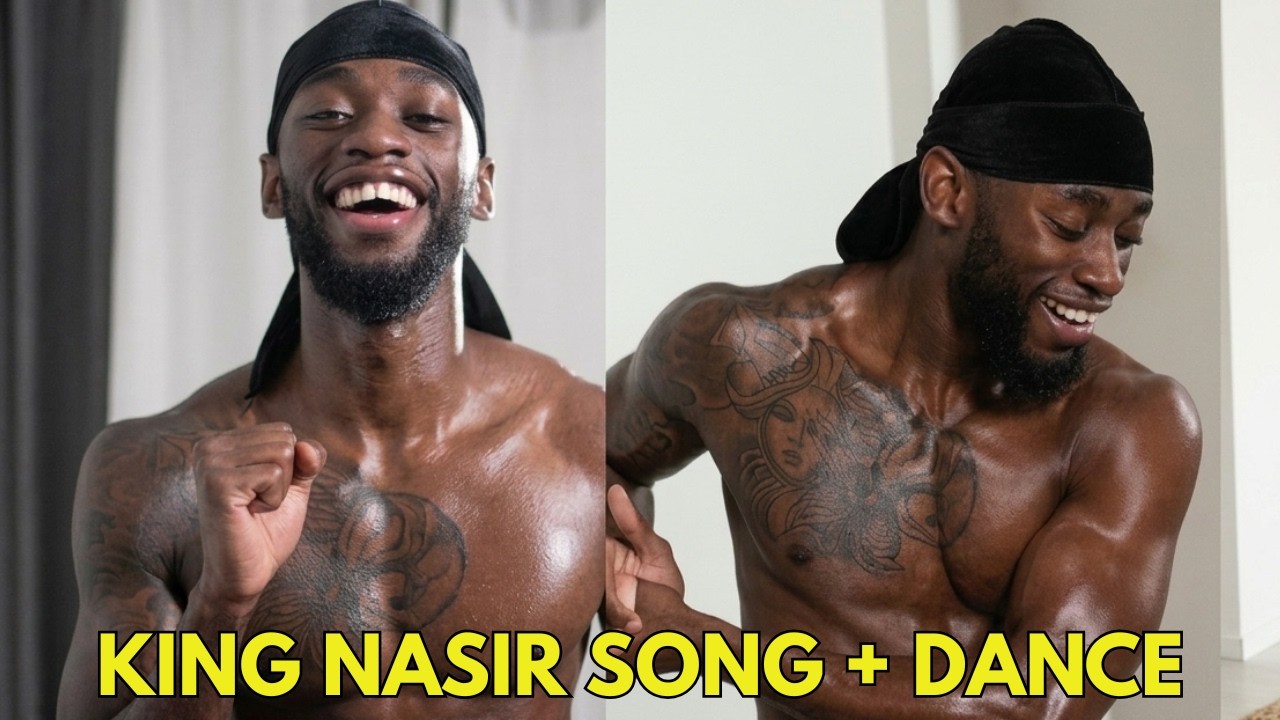
The viral clip origin traces back to a raw livestream appearance by adult entertainer and personality King Nasir. During a casual exchange, Nasir broke into an exaggerated, swaying shuffle, leaning into the lens with rhythmic bounce and deadpan swagger. The gesture lasted less than four seconds. In a live broadcast, it was an afterthought. To screen-recording onlookers, it was gold.
Online clip-clippers immediately extracted the snippet. Within 48 hours, community accounts stripped the dialogue, looping the visual into a frictionless video file. The motion carried distinct physical weight: shoulders rolled forward, head tilted in mock defiance, hips tracking a persistent lateral cadence. It looked confident yet absurd. Stripped of biographical baggage, the King Nasir dance GIF became a blank emotional slate.
Unlike meticulously choreographed routines designed for choreography challenges, Nasir's strut was organic. Internet culture thrives on accidental physical comedy. When an uninhibited gesture pairs with theatrical body language, the algorithm takes notice. Creators began overlaying different audio tracks, realizing the visual matched aggressive trap drums just as easily as breezy 1980s pop.

