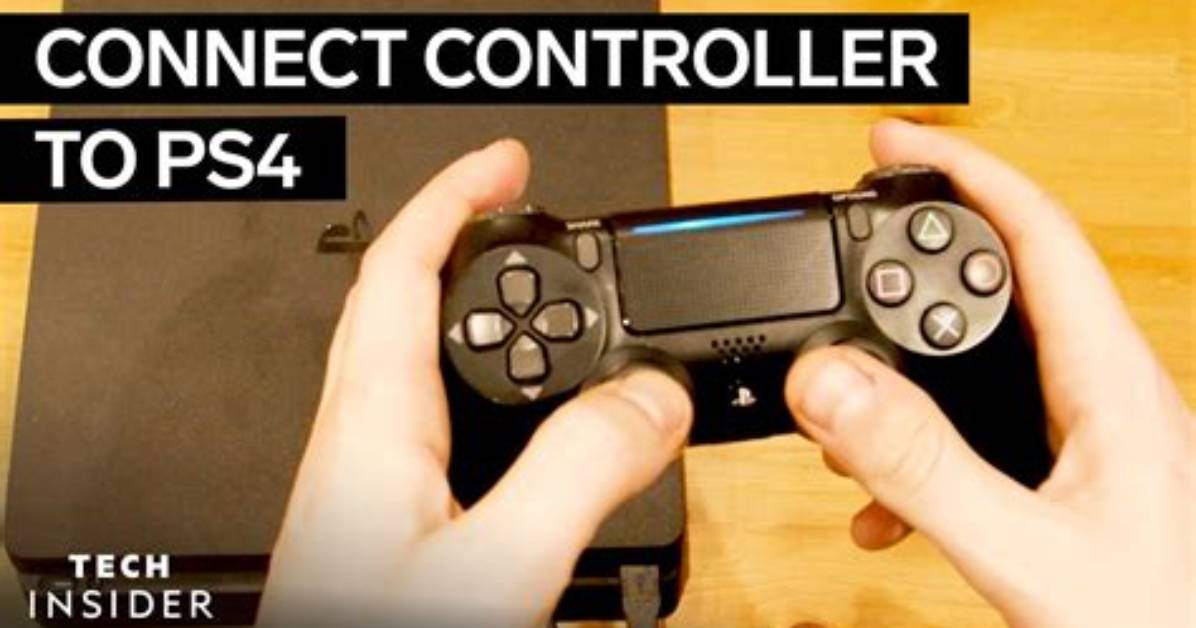
Nintendo designs its consoles around a closed peripheral framework. While the Switch 2 supports standard Bluetooth audio devices natively, its input stack remains restricted to approved controllers using proprietary Bluetooth HID handshakes. When you boot up the console and navigate to the controllers menu, the operating system filters out raw inputs from non-Nintendo devices.
Attempting to place a DualShock 4 into its standard pairing mode alongside an unmodified Switch 2 results in an endless search loop. The console will either ignore the broadcast signal entirely or return an unrecognized device error. Sony encrypts and formats its gamepad signals to speak directly to PlayStation hardware or open PC drivers. Nintendo expects specific button identifiers, proprietary home-menu packets, and specific motion-sensor reports.
Circumventing this barrier does not require running unauthorized custom firmware or cracking open your console casing. Instead, the solution relies on external hardware translation. By inserting a hardware adapter into the Switch 2 dock USB port, you run an active hardware translator. The adapter intercepts the Bluetooth signal coming from the PlayStation controller, recodes the data packets instantly, and feeds them into the Switch 2 as a standard, wired Nintendo Switch Pro Controller signal.

