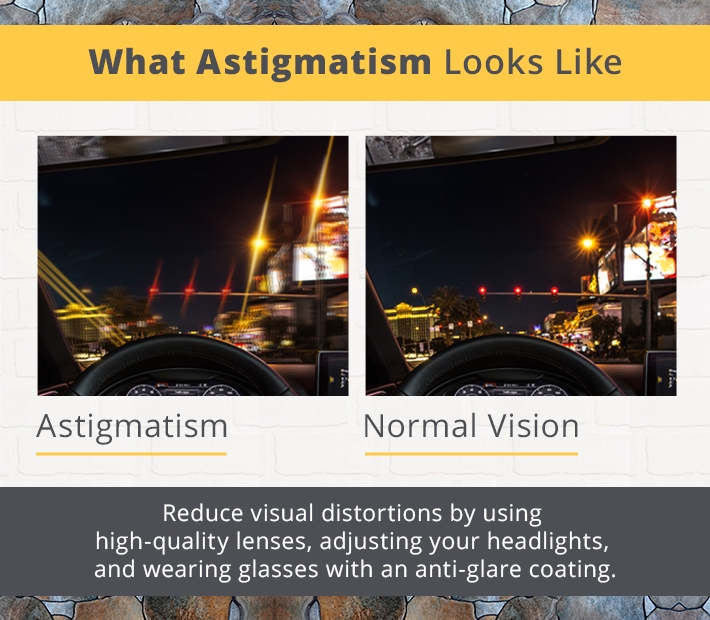
Selecting the correct vision correction depends on the severity of the corneal cylinder, lifestyle requirements, and cabin conditions. The following data details the primary optical solutions available for drivers navigating evening conditions:
| Intervention | Optical Mechanism | Night Glare Reduction | Typical Cost Range (2026) |
|---|---|---|---|
| Standard Single-Vision Eyeglasses | Basic spherical/cylindrical correction without surface coatings. | Minimal (causes internal reflections on 8, 12% of surface light). | $80, $180 |
| AR-Coated Prescription Eyeglasses | Multi-layer metal oxide interference coating yielding 99.5% light transmittance. | Very High (eliminates stray reflections and ghost images). | $200, $450 |
| Custom Toric Contact Lenses | Prism-ballasted designs correcting corneal cylinder directly on ocular surface. | Moderate to High (eliminates spectacle back-glare; dry air may cause minor rotation). | $350, $750/year |
| Wavefront-Guided Custom Lenses | Digitally surfaced optics mapping higher-order aberrations alongside cylinder/axis. | Exceptional (maximizes contrast sensitivity in low-light environments). | $400, $850 |
For drivers with mild cylinders (less than -0.75 diopters), basic anti-reflective prescription eyeglasses often resolve edge blur. When corneal asymmetry exceeds -1.50 diopters, wavefront-guided designs or custom-fitted toric lenses become necessary to resolve low-contrast road hazards before braking distances evaporate.

